Manuel Antonio packs eight distinct beaches into a few kilometers of coastline, split between a ticketed national park and a free public strand that runs through the town. Some are swimming coves with water like a bath; others will put you on your feet in the shorebreak before you've dried off. This guide covers all of them — how to reach each one, what the water does, what it costs, and which fits your trip.
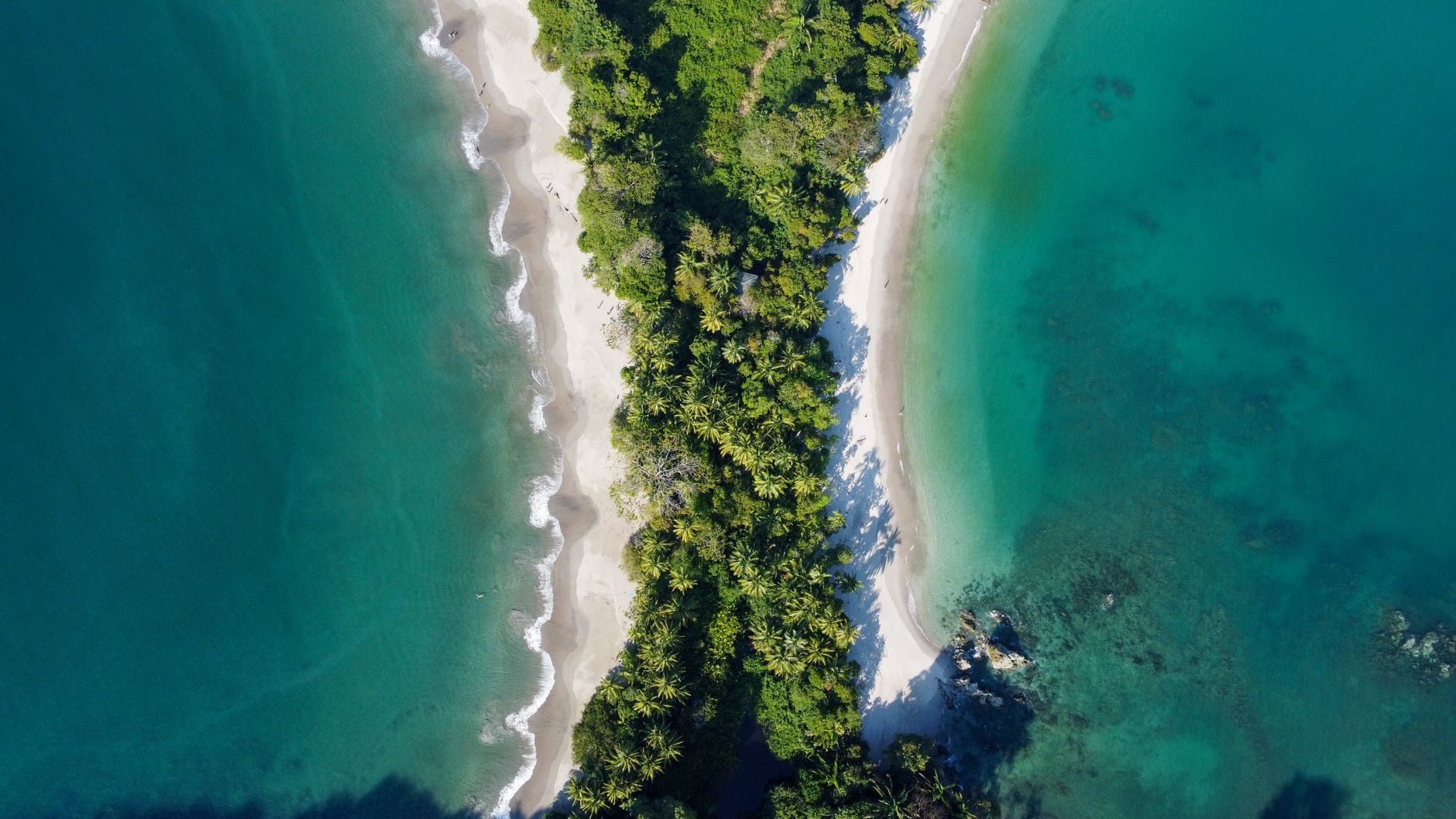
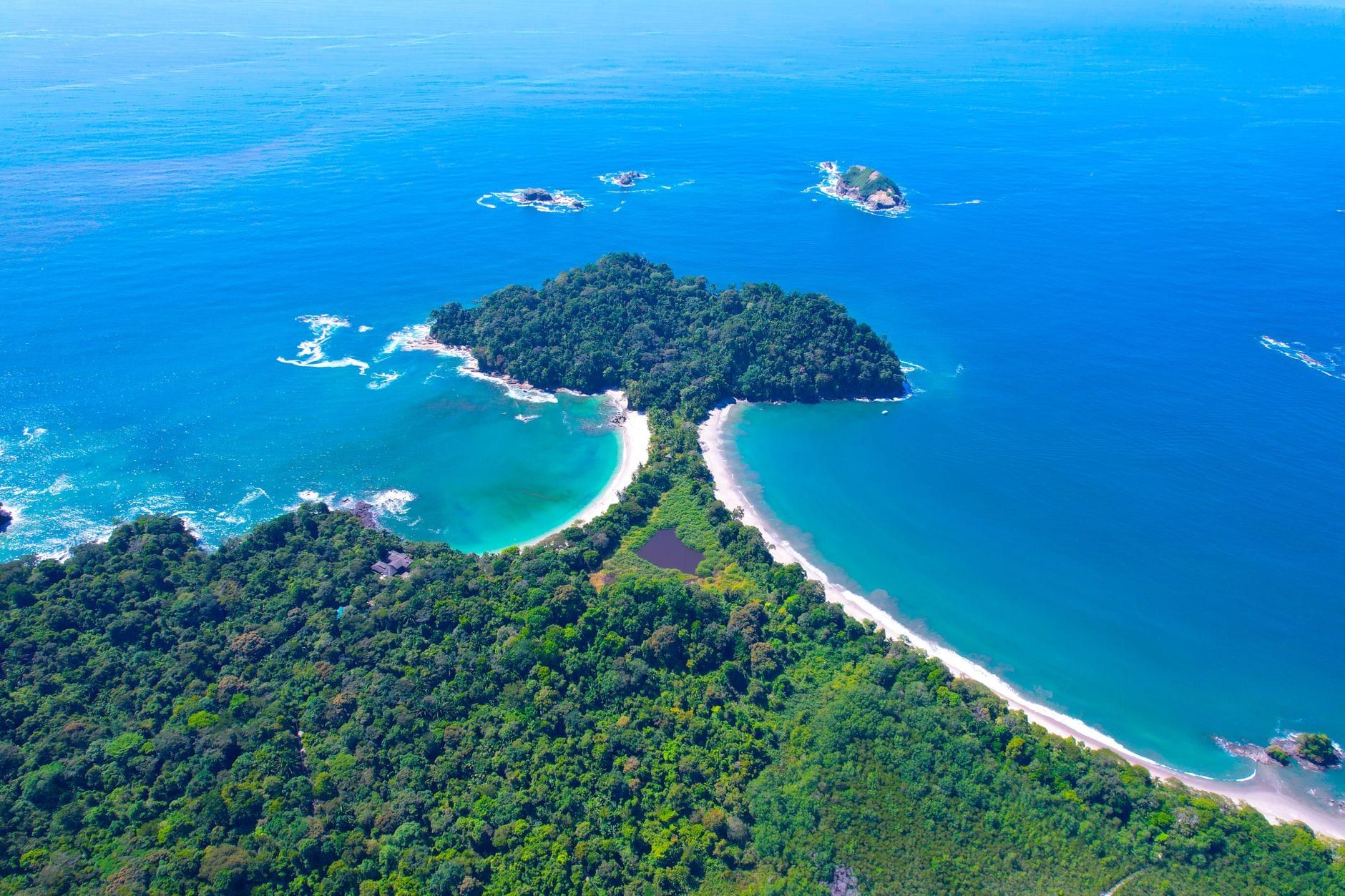
Four beaches sit inside the park's boundaries: Manuel Antonio, Espadilla Sur, Tesoro and Playita, with the first two separated by a tombolo — a natural sand bridge — connecting the mainland to Punta Catedral. In practice, visitors use four: Playa Manuel Antonio, Playa Espadilla Sur, Playa Gemelas and, with effort, Playa Escondido. The rest are outside the gate and free. For the wider picture of what else the park holds beyond the sand, see our things to do in Manuel Antonio guide.
Manuel Antonio Beaches at a Glance
Yes — these are among Costa Rica's best beaches, and SINAC itself ranks Playa Manuel Antonio near the top of the national list. Here's the core lineup, so you can pick before reading further; Playitas and Playa Escondido fill out the map but earn their h3s below.
| Beach | Access | Swimming | Amenities | Best for |
|---|---|---|---|---|
| Playa Espadilla Norte | Free | Strongest rips | Loungers, vendors, lifeguards | Surf lessons, sunset |
| Playa Biesanz | Free, 10-min trail | Calm and sheltered | Fee toilets, kayak rental | Families, snorkeling |
| Playa La Macha | Free, 20–40 min trail | Vanishes at high tide | None | Seclusion |
| Playa Manuel Antonio | Park ticket ($18.08) | Calmest in the park | Toilets, showers, cafeteria | Swimming, families |
| Playa Espadilla Sur | Park ticket | Variable, rips possible | Toilets, changing rooms | Space to spread out |
| Playa Gemelas | Park ticket | Strong shorebreak | None | Seclusion, wildlife |
Quick verdicts, if you want the short version. Postcard swimming beach: Playa Manuel Antonio. Best free all-rounder: Playa Biesanz, with Espadilla Norte close behind if you want action rather than calm. Most secluded: Playa La Macha, at the price of a jungle hike. Best surf: Espadilla Norte for beginners, Playitas for anyone who already owns a board.
Inside the Park or Free? Know the Difference
Manuel Antonio is both a town and a national park, and that trips up more first-time visitors than anything else here. The town sits at the end of Route 618, seven kilometers from Quepos, and the free public beach — Espadilla Norte — runs right along it. The park gate sits at the road's dead end, and everything past it needs a pre-purchased ticket: Playa Manuel Antonio, Playa Espadilla Sur, Playa Gemelas and Playa Escondido.
What the $18.08 buys is the setting as much as the sand. The park beaches sit inside rainforest with one of the densest wildlife concentrations in the country — around 109 mammal species and 352 bird species recorded — plus ranger-managed sand, maintained trails, toilets, showers and a cafeteria. You trade convenience for crowds: it's the most visited of Costa Rica's 30 national parks, drawing 4.3 million visitors between 2012 and 2022.
Outside the gate, four beaches are free and open at any hour: Espadilla Norte, Biesanz, La Macha and Playitas. One more exists but is off-limits to most readers — Playa Tulemar, at the northern end of the coast, is private, reserved for guests of the Tulemar Resort. La Vaca, next to La Macha, rounds out the map but rarely gets visitors.
Beaches Inside Manuel Antonio National Park
All four park beaches share one constraint: the park closes at 3 p.m., so a beach day inside means a morning start. Reach them on the park's trail network — the flat, paved Sloth Trail does most of the work, and our hiking guide to Manuel Antonio covers the routes in detail.
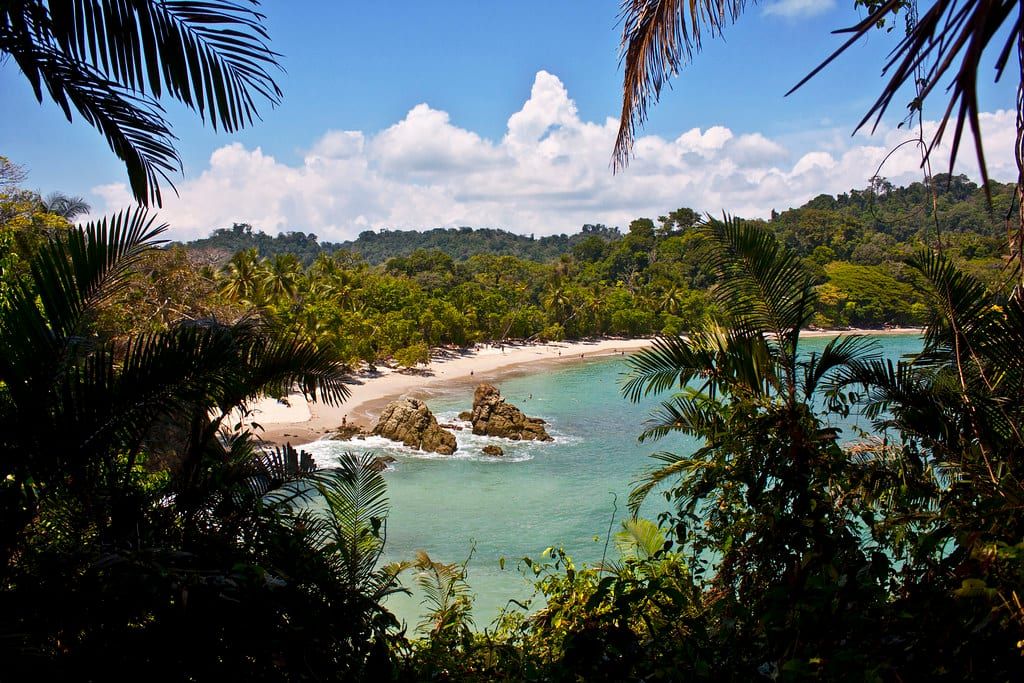
An ~800 m crescent of white sand backed by forest, Playa Manuel Antonio is the beach on the postcards and the calmest water inside the park. Offshore rocks shelter the cove, so the surf that pounds Espadilla arrives here already broken, leaving shallow, near-waveless water that's ideal for kids. It's a 1.4 km flat walk from the entrance via the El Manglar and Perezoso trails — stroller- and wheelchair-friendly the whole way. Toilets and foot-rinse stations sit just east of the sand, and the cafeteria is steps away. Snorkeling along the bay's rocky edges works if you bring your own gear. The trade-off is people: by late morning the sand fills, and capuchin monkeys work the crowd, unzipping any bag left alone. Arrive at 7 a.m. and you'll have it nearly to yourself.
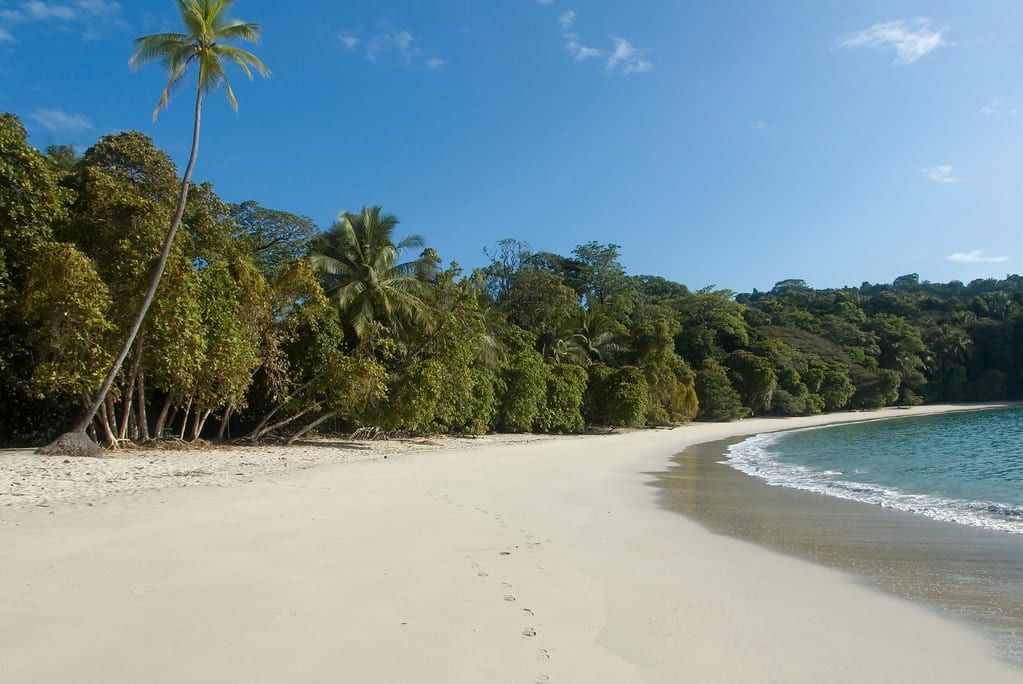
Espadilla Sur is the long, quiet crescent on the far side of the tombolo from Playa Manuel Antonio, about a 1 km walk from the entrance via the Manglar Trail. It's the biggest stretch of sand in the park, so even on busy days you can find a gap, and tidal pools form along it at low water. Toilets, changing rooms and foot-wash taps sit at the northern end. The swimming is the catch: accounts range from calm, family-friendly waves to rip currents dangerous for weak swimmers, because conditions swing with the tide and swell. Check the water before committing, and keep weaker swimmers close. If the surf is up, walk the tombolo over to Playa Manuel Antonio instead.
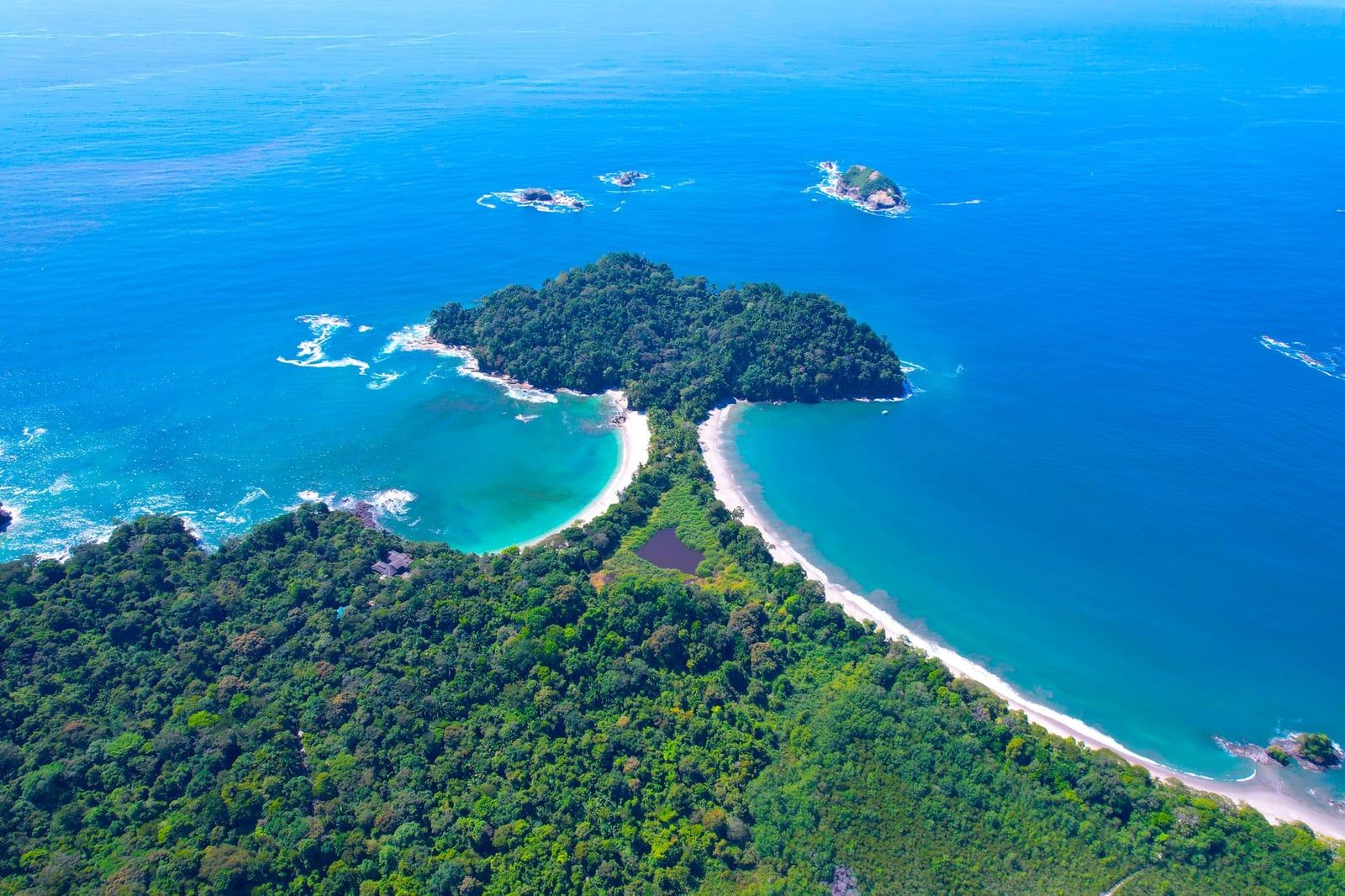
Gemelas — "the twins" — is two small rocky coves 1.6 km from the entrance, reached with one moderately steep stair section on the way. It's the most secluded beach inside the park, usually holding a handful of people at most, and howler monkeys and sloths hang in the trees behind the sand. There are no amenities at all, so carry your water. The waves are strong, with a shorebreak and rips that make swimming a poor idea except in the calmest conditions. Come for the quiet and the wildlife; treat the water as scenery.
Playa Escondido is the one most visitors never touch. It's reachable only at low tide and no longer sits on the official trail system, so the practical visit is the lookout above it on the Puerto Escondido Trail — a legitimate destination in its own right. If you want to try descending to the sand, ask the rangers first; they'll tell you whether the tide window makes it safe that day. Nobody should attempt it with the tide coming in.
Free Public Beaches Outside the Park
The free beaches ask nothing but effort — and in two cases, a tide chart. None of them close at 3 p.m., which makes them the afternoon option on days you've spent your park slot hiking.
Espadilla Norte is the town's main beach: roughly 3 km of sand lined with hotels, bars and restaurants, running from Quepos almost to the park gate. It's where the umbrellas, loungers, vendors, surf lessons, jet skis, parasailing and banana boats live, with lifeguards on duty during the day depending on conditions. The water is the roughest in the area — a big, dumpy shorebreak and the strongest rip currents of any beach here — so swim between the flags or use it for surfing instead. It's also the area's best sunset spot, with restaurants right on the sand to watch it from.
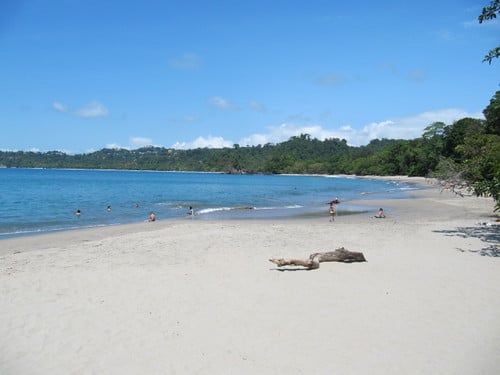
Biesanz is the calm-water answer outside the park: a sheltered cove on Quepos Point, a 10–15 minute walk from the park entrance area. Park along the road near the trailhead — a local may ask around $4 to watch the car — then take the roughly 10-minute jungle trail down, which is short but rooty and slippery when wet. The cove is protected from swell, so the water stays calm and shallow, with kayak, SUP and snorkel gear for rent and toilets and showers for a fee. Howler monkeys and sloths show up in the trees overhead. It fills with local families on holidays and Holy Week; on an ordinary weekday it's the easiest quiet swim in the area.
La Macha is the beach you earn. The trail starts at the BongO Hotel and runs 20–40 minutes through jungle, finishing with a steep, roped descent to the sand. At high tide the beach essentially disappears, so time your visit for the low half of the tide cycle. There are no amenities — pack everything out — and it's an unofficial clothing-optional beach, so don't be surprised by the dress code. The parking area at the trailhead has reported thefts, so leave nothing visible in the car. In return you get the most secluded beach on this list and a good chance of having it to yourself.
Playitas sits at the northern end of Espadilla, separated from it by rocks that you can cross at low tide or bypass with a 4x4 via the Arenas del Mar road. It's the most serious surf break in the area, with a surf school on the beach for everyone else. On weekdays it stays quiet; local families claim it on weekends. The rock crossing rules out flip-flops — water shoes make it straightforward.
For completeness: Playa Tulemar, further along the coast, is private and open only to Tulemar Resort guests, and La Vaca sits beside La Macha as a minor, rarely visited strand.
Which Manuel Antonio Beach Is Right for You?
Skip the profiles; here's the match. If you're unsure what the water will do on your dates, the snorkeling guide to Manuel Antonio covers conditions and visibility in depth.
Swimming and small kids: Playa Manuel Antonio inside the park, Playa Biesanz outside it. Both offer shallow, calm water and soft sand, and both have wildlife in the trees behind you while the kids dig.
Snorkeling: Playa Manuel Antonio's rocky bay edges and Biesanz's cove. Bring your own mask for the park; Biesanz has rentals. Be honest about expectations — visibility here is generally mediocre by Caribbean standards, and it drops further in the green season.
Surfing: Espadilla Norte for beginners and lessons, with boards and instructors lined up on the sand. Playitas for anyone past the beginner stage. Park beaches ban surfboards entirely.
Seclusion: Playa Gemelas inside the park (arrive early, bring water), or La Macha outside it if you'll trade a sweaty hike and a tide check for near-solitude.
People-watching, amenities and sunset: Espadilla Norte, without competition. Loungers, food, drinks and the sun dropping into the Pacific in front of you.
Wildlife on the beach: Gemelas and Biesanz. Howlers, sloths and capuchins come down to the treeline at both, and the crowds are thin enough that they actually do.
Planning Your Beach Day: Tickets, Hours, Rules and Logistics
Everything below is what actually stops people at the gate, so read it before you pack. Full details are on our hours and entry fees page.
Tickets first. Foreign adults (12+) pay $18.08, children 2–12 pay $5.65, and under-2s enter free. Sales are online-only through SINAC's portal (serviciosenlinea.sinac.go.cr) — there is no booth at the gate, and people in fake ranger uniforms selling tickets nearby are a known scam. You'll need your passport number to book, and you must carry that same physical passport to enter; a phone photo doesn't work. A court-ordered cap limits the park to 1,120 visitors per day with 15-minute arrival slots, so in dry season book one to two weeks ahead, and months ahead for Christmas and Easter week.
Hours: open Wednesday–Monday, 7 a.m. to 3 p.m., closed every Tuesday for maintenance — the single most common planning mistake in Manuel Antonio. The beaches and trails close at 3 p.m., and rangers start clearing before that, so treat 2 p.m. as your last honest beach hour inside the park.
The bag check is strict. Food of any kind is banned — there's a cafeteria by Playa Manuel Antonio (7:30 a.m.–3:30 p.m.) if you get hungry. Drinks in reusable bottles are allowed, and refill fountains sit on the Sloth Trail and near both main beaches; single-use plastic bottles and packaged snacks get turned away. Also banned: surfboards, beach umbrellas, chairs, coolers, sports balls, drones, speakers and pets. Soap and shampoo are prohibited in the showers.
What to pack: water shoes (the entries at Playa Manuel Antonio, Biesanz and Gemelas are rocky), reef-safe sunscreen, a reusable bottle — the tap water is drinkable — a dry bag, and snorkel gear rented in town since the park doesn't rent it. One plant warning worth repeating: manzanillo trees line the park beaches, and their sap and apple-like fruit are toxic. Don't sit in their shade, and don't touch the trunk or fruit.
Getting there and around: the park is 157 km from San José — about 3.5 hours by car via Routes 27 and 34, a ~3.5-hour direct Tracopa bus from the Tracopa terminal (about $9), or a 20–25-minute flight to Quepos ($75–100). From Quepos, the local bus along Route 618 runs every 15–30 minutes for about ₡315. Our directions guide has the full breakdown. Parking is all private lots near the entrance, ₡3,000–5,000 ($6–10) per day; expect the single Quepos–Manuel Antonio road to crawl in high season.
Timing: December through April is the dry season — minimal rain, low-to-mid 30s °C, and the busiest sand. May through November brings short, intense afternoon showers; plan mornings, and know that September and October are the wettest. Either way, the earliest slot gets you emptier trails and active wildlife before the beach fills up.
Beach Safety: Rip Currents, Lifeguards and Monkeys
So is it safe to swim here? Yes, at the right beaches, with the usual checks. Swim only between the red-and-yellow guarded flags, and never enter the water when a red flag is flying. Green means conditions are good; yellow means swim with care.
Ranked calmest to roughest: Playa Manuel Antonio and Biesanz are the calmest. Espadilla Sur and Gemelas are variable — fine some days, rip-ridden others, depending on tide and swell. Espadilla Norte has the strongest rip currents in the area, with lifeguards monitoring roughly 8 a.m.–5 p.m. The park itself runs a lifeguard program, but coverage is limited, and no beach here is watched all day every day.
Rip-current basics, because they're the real hazard on this coast: if you're pulled out, don't fight the current toward shore. Swim parallel to the beach until you're out of the channel, then angle in. At Espadilla Norte, keep children within arm's reach — the shorebreak dumps hard even between the flags.
Then there are the monkeys. Capuchins at Playa Manuel Antonio and Gemelas open zippers and carry off unattended bags — sunscreen, sunglasses, cameras, all fair game — and raccoons work the same beat. Keep bags zipped and on your body, never leave food out, and never feed anything. Our guide to the park's three monkey species covers how to watch them properly. And remember the La Macha trailhead: leave nothing visible in the car.
FAQs About Manuel Antonio Beaches
Can you swim at the beaches in Manuel Antonio National Park?
Yes. Playa Manuel Antonio inside the park and Playa Biesanz outside are the calmest. Espadilla Sur, Gemelas and Espadilla Norte carry stronger waves and rip currents that vary with tide and swell — always check the beach flags before getting in.
How much does it cost to visit the beaches inside Manuel Antonio National Park?
$18.08 per foreign adult (12+) and $5.65 per child 2–12, under-2s free, paid online in advance via SINAC — there's no ticket booth at the gate. Every beach outside the park is free.
Is Manuel Antonio National Park closed on Tuesdays?
Yes, every Tuesday year-round for maintenance. The park is open Wednesday–Monday, 7 a.m.–3 p.m., with the beaches closing at 3 p.m. and rangers clearing everyone out by then.
Which Manuel Antonio beach is best for families with kids?
Playa Manuel Antonio and Playa Biesanz. Both have shallow, calm water and soft sand, and both sit under trees holding sloths and monkeys — just keep snacks packed away, since capuchins steal them.
Do I need to buy Manuel Antonio park tickets in advance?
Yes. Tickets are online-only with a 1,120-visitor daily cap and 15-minute entry slots, and the park sells out on busy weekends and holidays. Book one to two weeks ahead in dry season and bring the passport you used to book.
Are there lifeguards at Manuel Antonio beaches?
Espadilla Norte has daytime lifeguard coverage (roughly 8 a.m.–5 p.m.) and the park runs a lifeguard program, but coverage is limited. Obey the red-and-yellow flags and never swim alone at unguarded beaches like Biesanz or Playitas.
Can you bring food and drinks to Manuel Antonio's beaches?
Not inside the park: food is banned (only non-alcoholic drinks in reusable bottles are allowed, and there's a cafeteria by Playa Manuel Antonio), along with coolers, umbrellas, chairs and sports balls. Food is fine on all the free public beaches.
What's the difference between Playa Espadilla Sur and Playa Espadilla Norte?
It's one continuous stretch of sand split by the park boundary. Espadilla Sur is the quiet, ticketed half inside the park; Espadilla Norte is the lively free town beach with rentals, vendors, surf lessons and water sports — and the stronger rips.