About All Tours Night ToursWildlife ToursFrom San Jose ToursPrivate Tours Directions Hours & Fees Guides
Find Tours 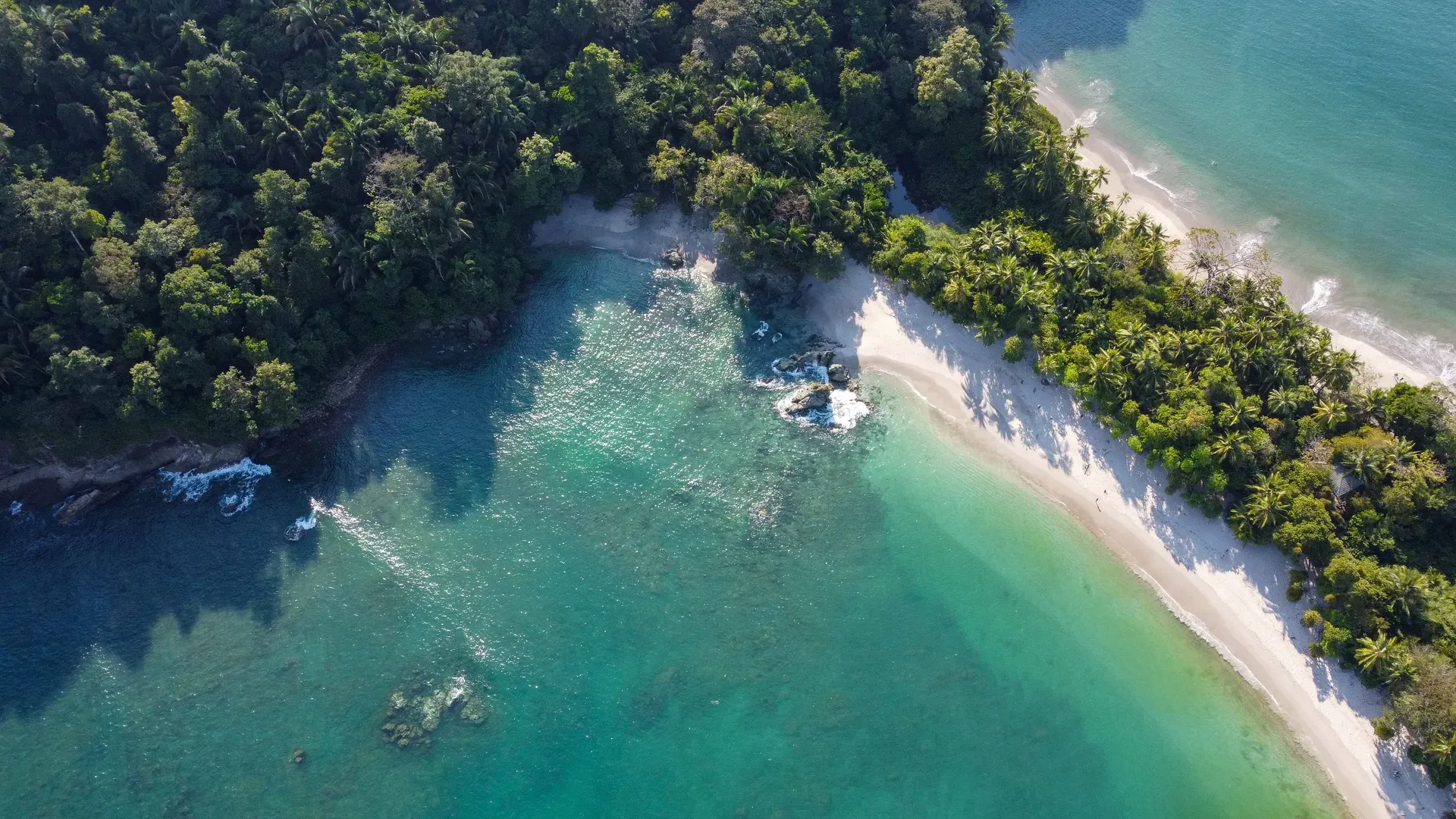
Costa Rica's most visited national park squeezes four white-sand beaches, a mangrove, and rainforest holding three monkey species and both kinds of sloths into 1,983 hectares on the central Pacific coast, 157 km from San José. Plan ahead: a 2023 court ruling caps entry at 1,120 visitors a day, tickets are sold online only, and the park closes every Tuesday.
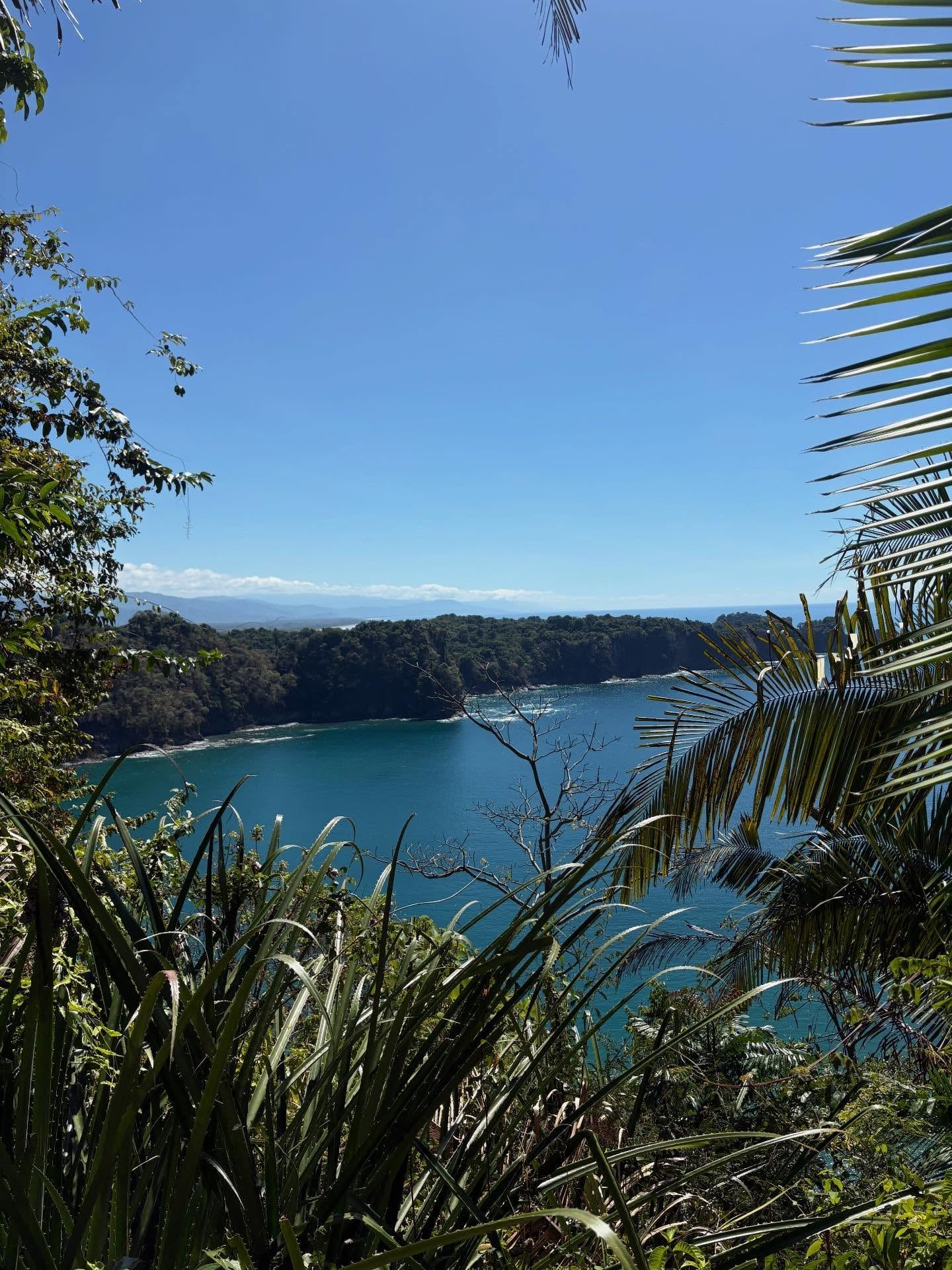
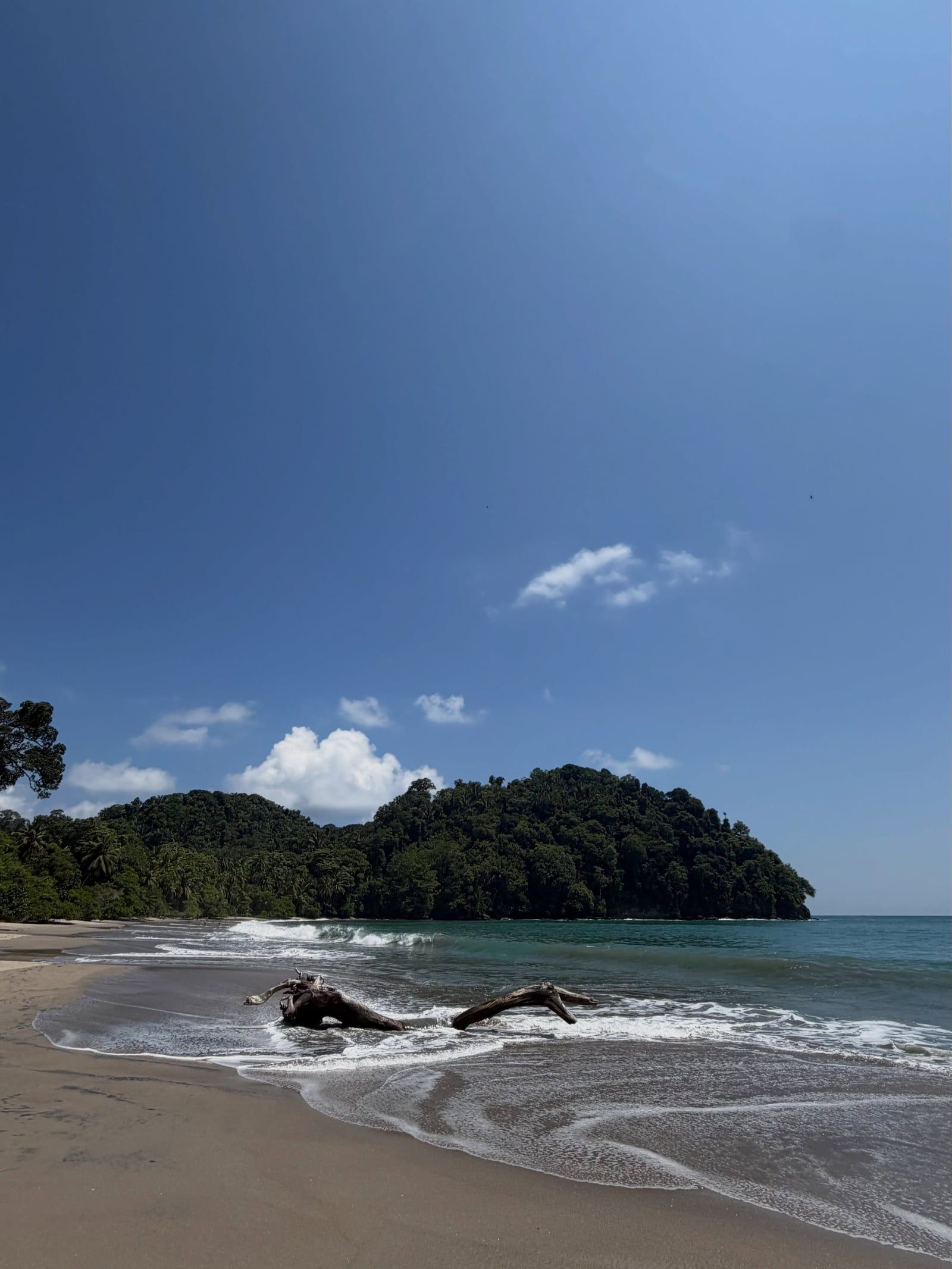
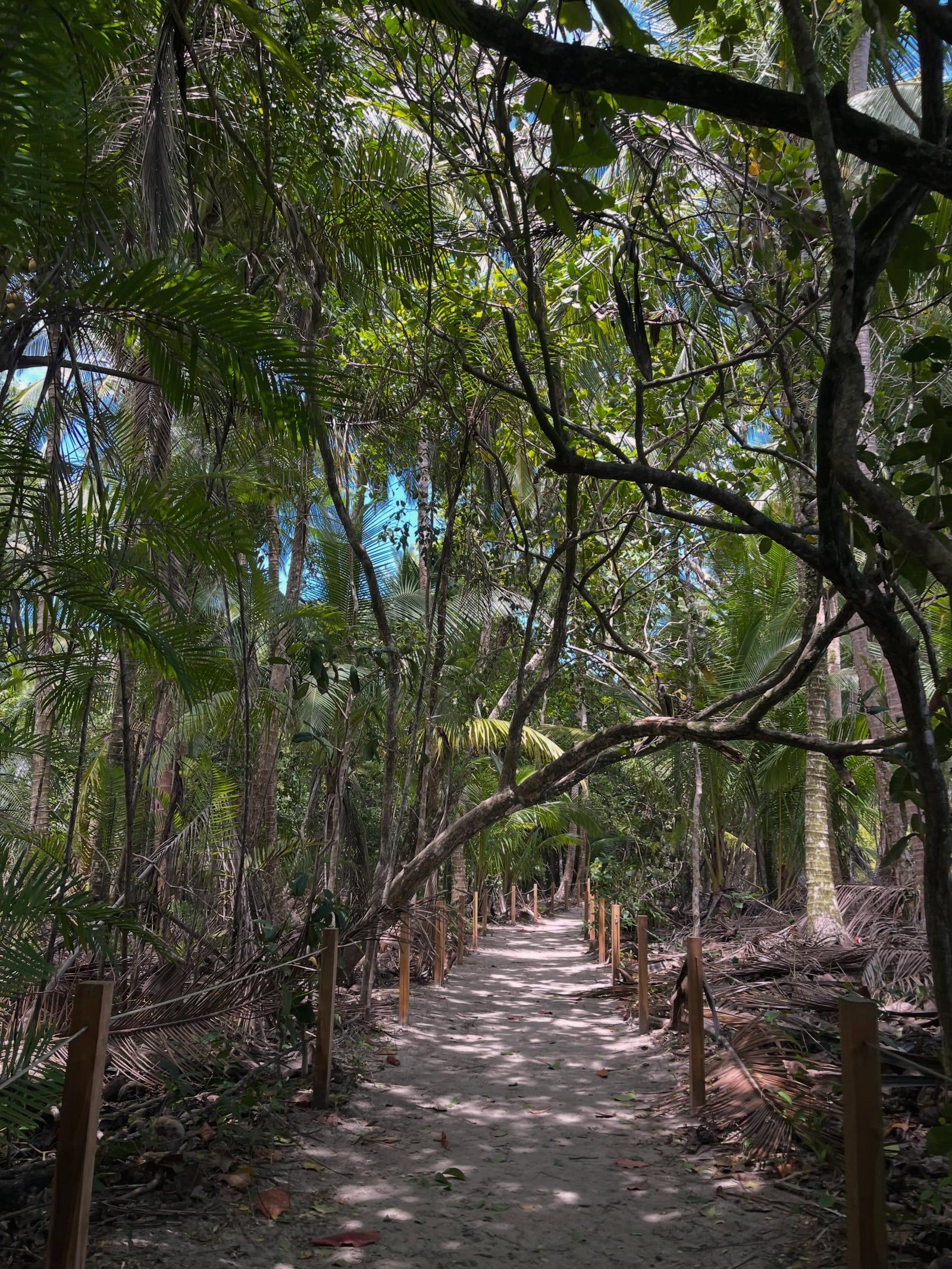
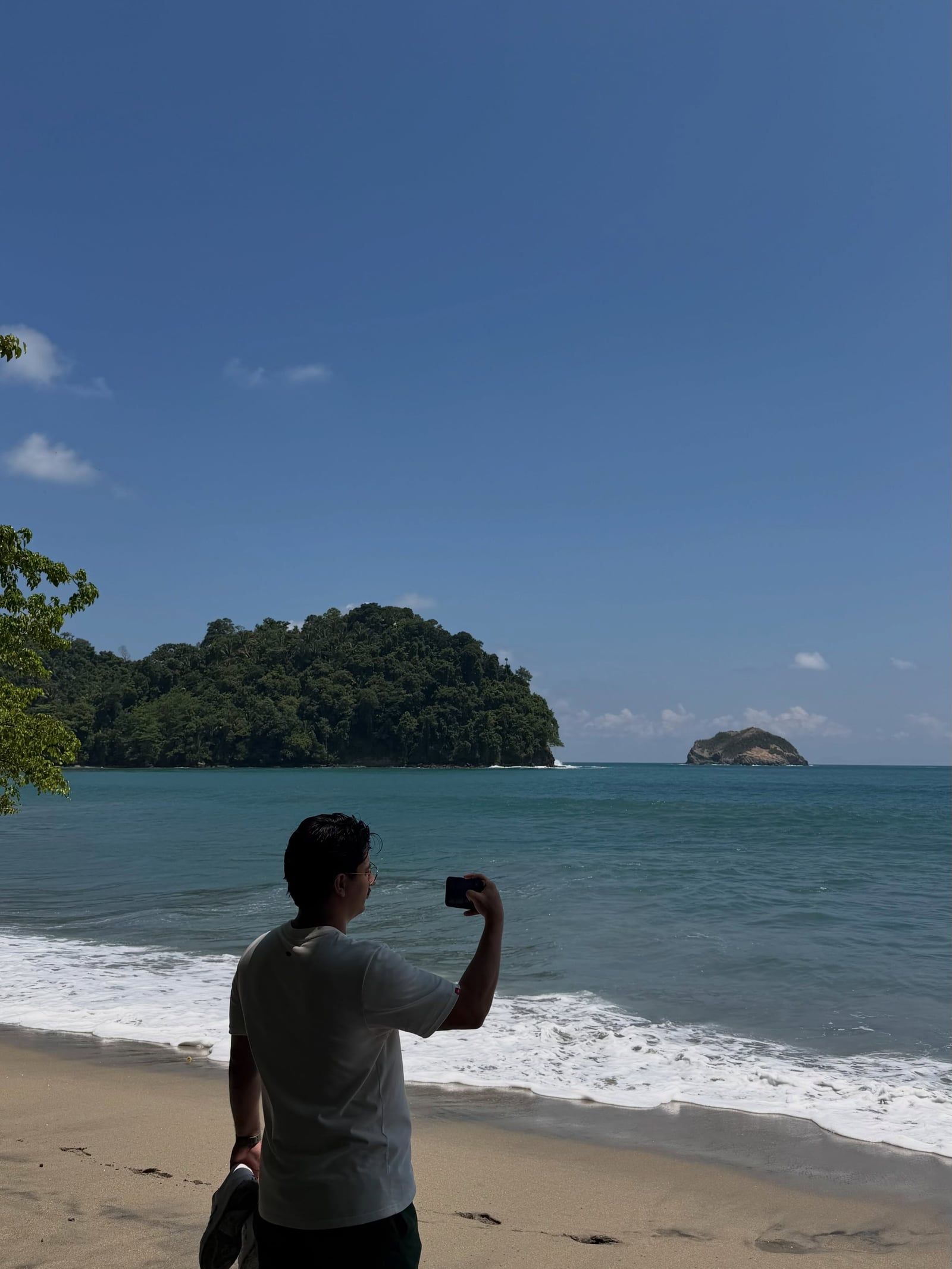
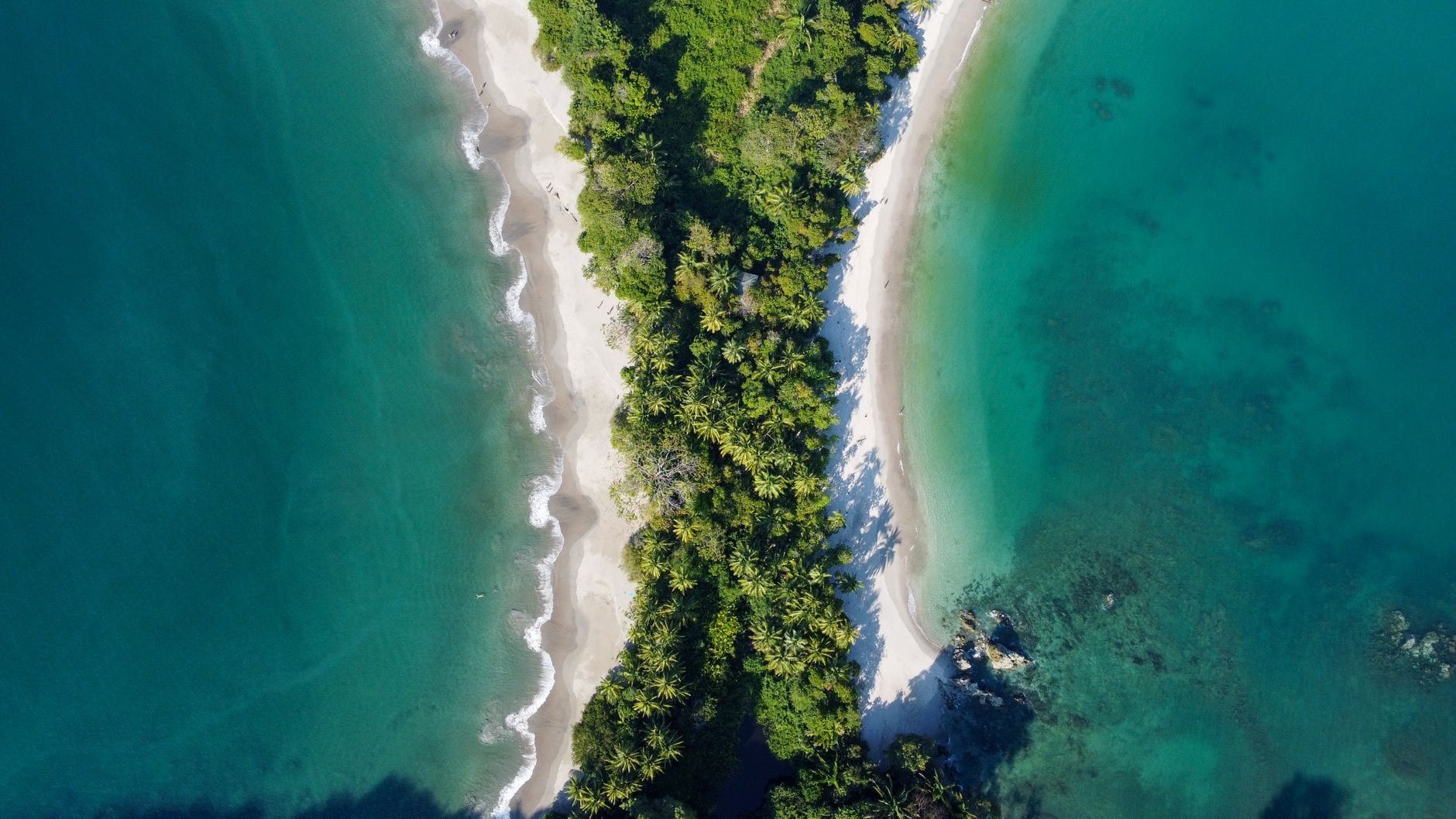
Find Guided ToursManuel Antonio National Park packs rainforest, four white-sand beaches, an 18-hectare mangrove and rocky islands into 1,983 hectares on Costa Rica's central Pacific coast — one of the country's smallest parks, and by far its most visited, with 4,388,460 visitors between 2012 and 2022. It sits 7 km southeast of Quepos, 157 km from San José, in Puntarenas Province. The land portion climbs from the beaches through humid tropical forest to overlooks around 160 m; another 25,634 hectares of protected ocean surround it.
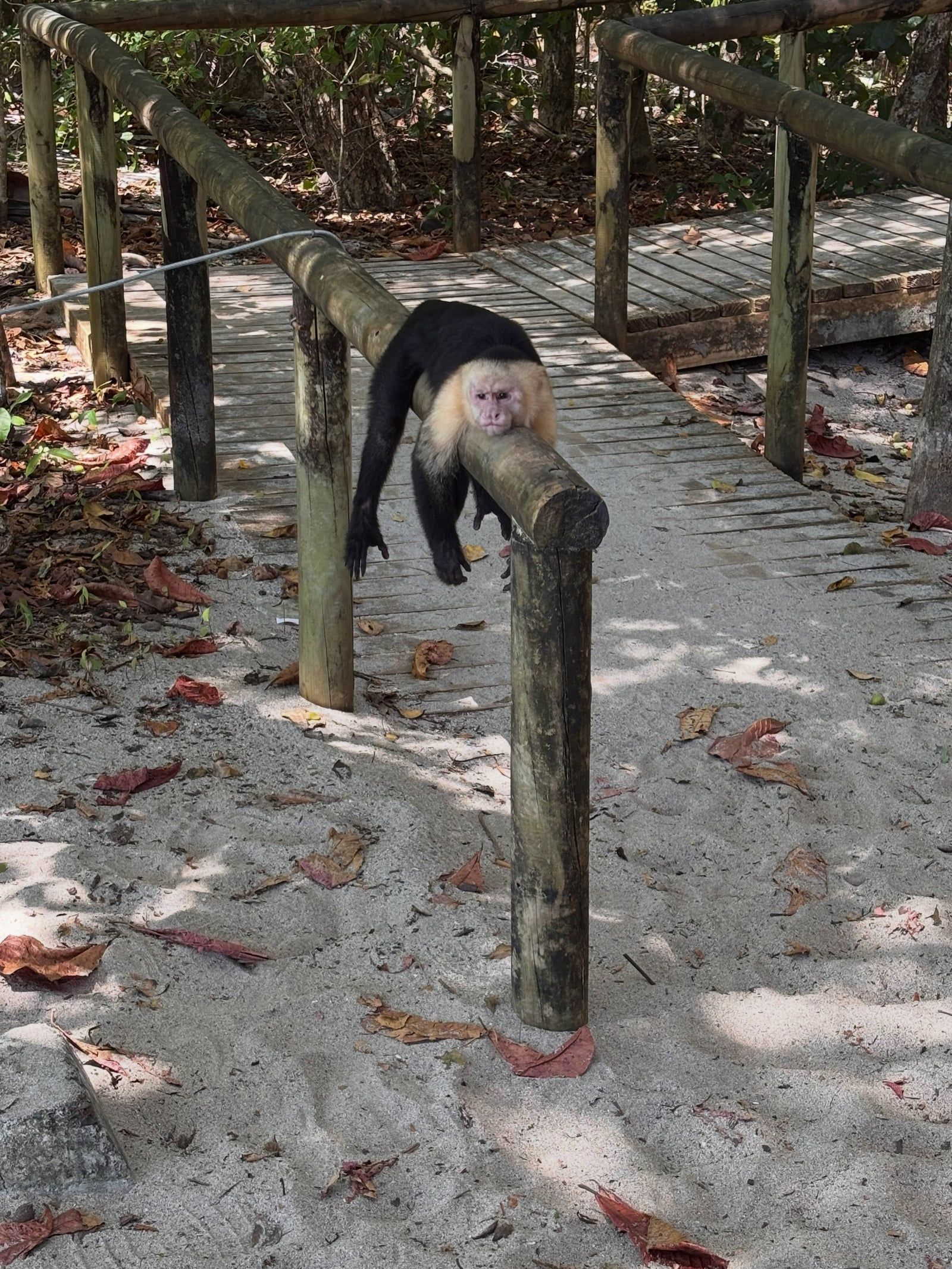
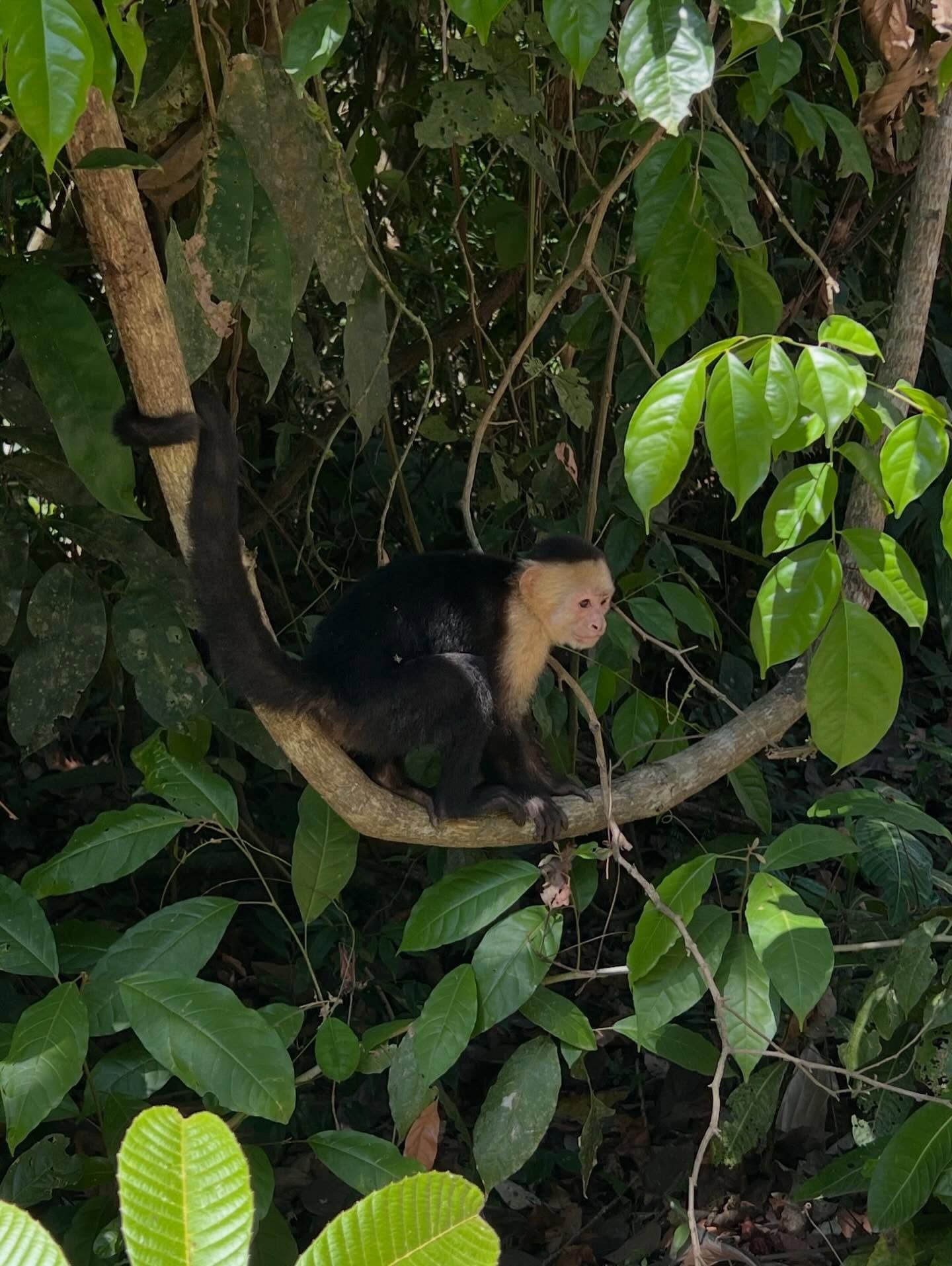
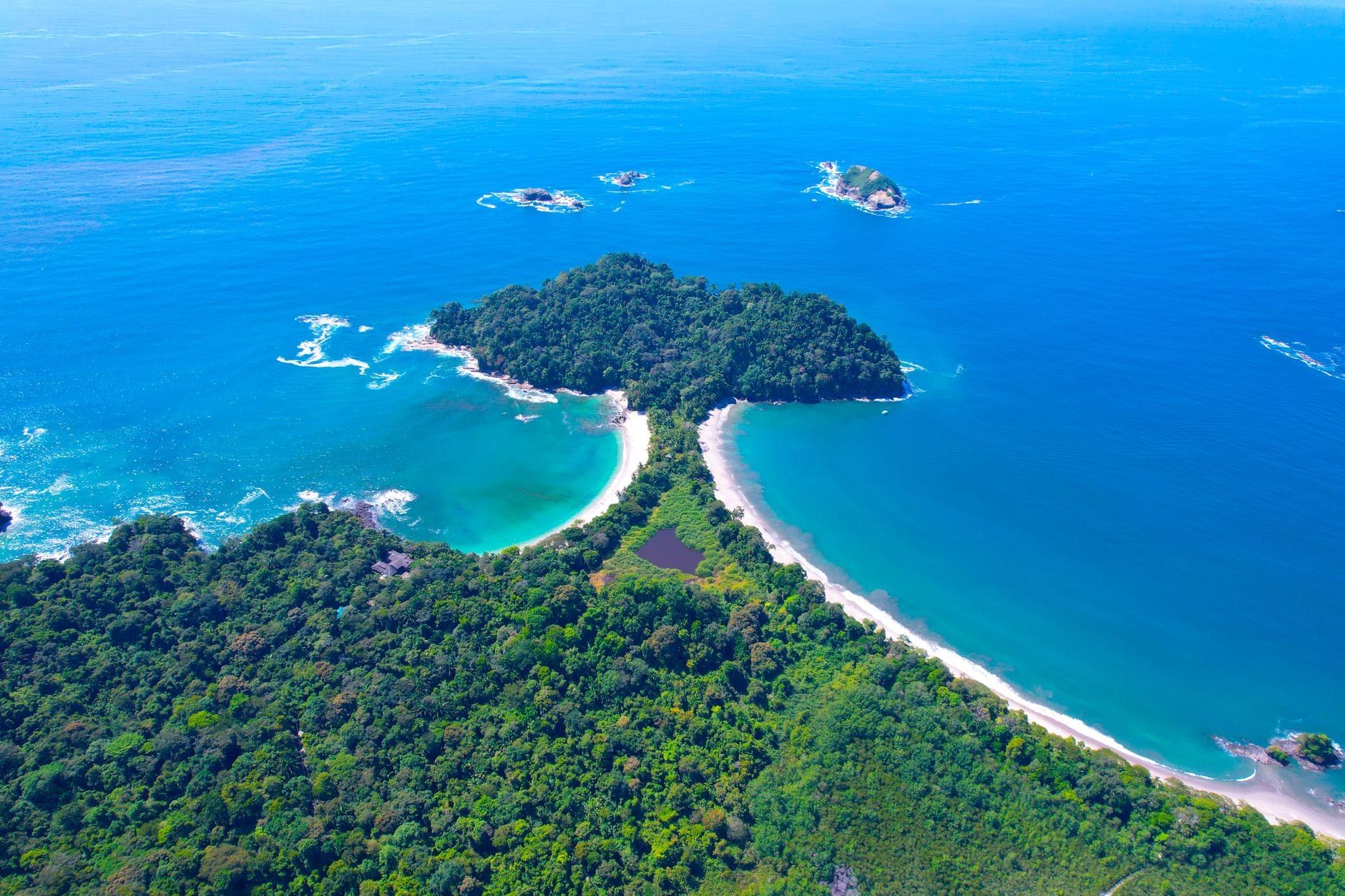
Wildlife is the draw, and you don't have to work for it. Sloths and three monkey species — white-faced capuchins, mantled howlers and the endangered Central American squirrel monkey, found only here and in Corcovado — hang out within meters of the trails. The official count runs to 352 bird species, 109 mammals and 346 plants. Punta Catedral, a former island attached to the mainland by a sand tombolo, rises 100 m above the water on a 1.4 km loop with five viewpoints.
In 1972, foreign landowners fenced residents out of the beaches and pushed plans for a resort. Local protest forced the issue, and Costa Rica's legislature created the "Parque Recreativo Nacional Playas de Manuel Antonio" by Law No. 5100. SINAC's Central Pacific Conservation Area administers it today under Decree No. 22482-MIRENEM, as modified by Executive Decree 42496-MINAE.
Recognition came from outside too: Forbes named it one of the world's 12 most beautiful national parks in 2011. Then, in May 2023, a Constitutional Court ruling cut the daily visitor cap from 3,000 to 1,120, after higher flows were found to violate the constitutional right to a healthy environment. Book your tickets early.
Discover the full history and cultural significance on our About page.
Sendero El Perezoso, a flat paved 1.1 km path, winds through cecropia trees where both two-toed and three-toed sloths hang out at eye level. Scan for a lump that doesn't match the branch. Capuchins, howlers and endangered mono tití monkeys work the same stretch of forest.
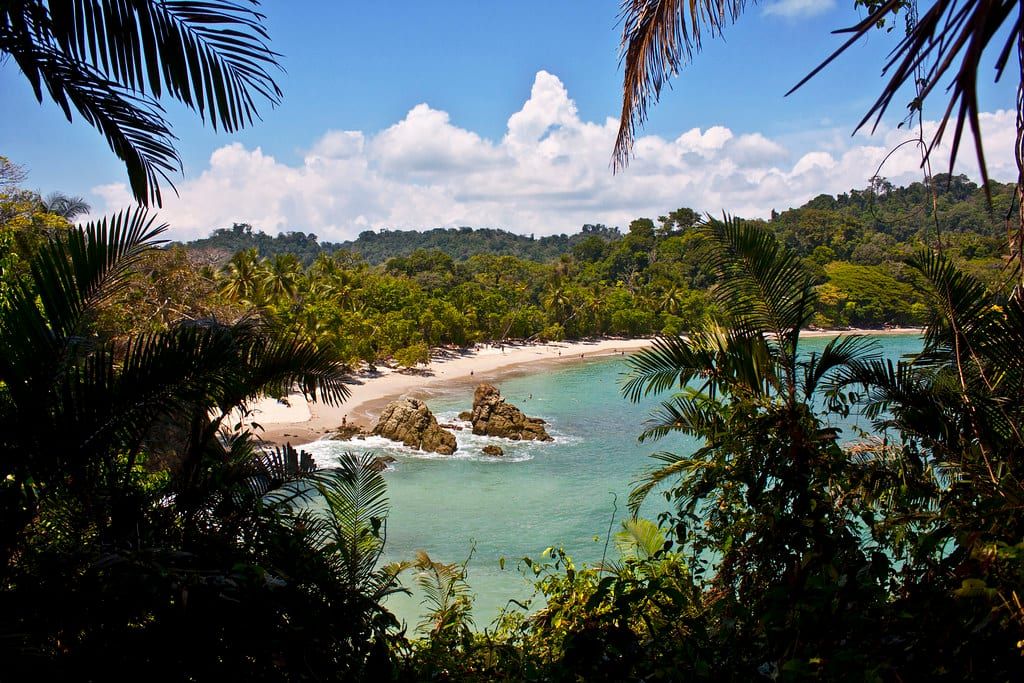
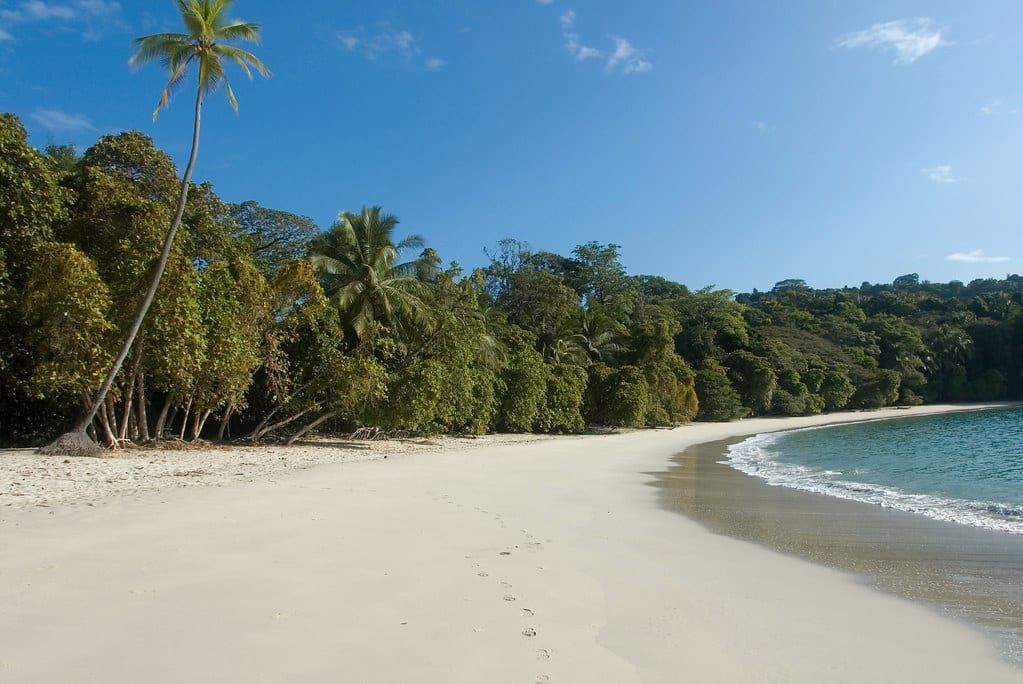
An 800-meter crescent of white sand backed straight by rainforest, with calm turquoise water sheltered enough for swimming and snorkeling along its rocky sides. SINAC ranks it among Costa Rica's best beaches. Showers and changing rooms sit nearby, and lifeguards patrol the bay.
A 1.4 km loop, 45 to 60 minutes with some incline, circles a former island now tied to the mainland by a sand tombolo. Five viewpoints overlook Pacific islands where seabirds nest, and at low tide you can spot La Trampa, pre-Columbian Quepoa stonework once used to trap turtles.
An elevated boardwalk loop takes 20 to 30 minutes through roughly 18 hectares of red, piñuela and caballero mangroves — a completely different ecosystem from the main forest, with a 14-hectare lagoon. Water birds and occasional deer show up early, so take the first slot you can get.
Compare guided walks from $27 with park-ticket-included options, certified bilingual guides, and free cancellation up to 24 hours before departure.
Swipe to see more
 Free Cancellation 4h
 Free Cancellation 2h
 Free Cancellation 12h
 Free Cancellation 2h Free Cancellation 2h Free Cancellation 12h
 Free Cancellation 4h
 Free Cancellation Free Cancellation 12h
 Free Cancellation
 Free Cancellation 12h
 Free Cancellation 12h
The best time to visit Manuel Antonio National Park is December through April, the dry season, when skies are sunny, temperatures hit the low-to-mid 30s °C, and trails and beaches are at their finest. Arrive early — ideally at the 7:00 a.m. opening — and book tickets 1–2 weeks ahead; September and October bring the heaviest rain.
March and April stay dry and hot, with wildlife most active on early-morning trails. May turns greener as the rains return, but crowds thin and humpback season is still months away.
Green-season afternoons bring downpours and humidity, so hike in the morning. By August humpback whales start passing close to shore offshore — a real bonus for boat tours.
September and October are the wettest months; trails get muddy, and SINAC itself records the year's lowest visitation. Go early, pack rain gear. November dries out into a green, quiet shoulder month.
Prime dry season: minimal rain, warm sun, calm swimming at Playa Manuel Antonio. Christmas and New Year sell out months ahead under the 1,120-visitor daily cap, so book early or pick late January.
Open Wednesday through Monday, 7:00 a.m. to 3:00 p.m., with entry managed through timed ticket slots. Closed every Tuesday, year-round, including holidays — showing up on a Tuesday is the most common planning mistake here. Hours don't vary by season. A few in-park services run slightly longer: the cafeteria and artisan shop until 3:30 p.m., locker rental until 4:00 p.m., and the certified guide desk from 7:00 a.m. to 2:00 p.m. From November to April there are also special afternoon tours (3:30 p.m., Saturday–Monday) and night tours (5:30 p.m., Wednesday–Friday).
| Category | Price |
|---|---|
| Foreign adult (age 12+) | $18.08 USD (IVA included) |
| Foreign child (ages 2–12) | $5.65 USD (IVA included) |
| Foreign child under 2 | Free |
| Costa Rican resident adult (age 12+) | ₡1,808 |
| Costa Rican resident child (ages 6–12) | ₡565 |
| Costa Rican resident child under 6 | Free |
| Ciudadano de Oro (Costa Rican seniors) | Free |
There is no ticket booth at the gate — all tickets must be bought in advance on SINAC's official portal, serviciosenlinea.sinac.go.cr, using passport details, and you must carry the physical passport matching the booking (a phone photo won't be accepted). Maximum 6 tickets per transaction. Entry is capped at 1,120 visitors per day, so book 1–2 weeks ahead in the December–April dry season and months ahead for Christmas–New Year and Easter week. Everyone enters free on August 24 (National Parks Day), and Costa Rican residents get free entry on the third Wednesday of each month. Beware of people dressed as rangers selling tickets near the entrance — rangers' uniforms carry SINAC logos and they work only inside the park; sinac.go.cr is the only legitimate seller.
For complete schedules and ticket prices, visit our Hours & Fees page.
The park lies 157 km (98 mi) from San José, reached by direct bus (about 3.5 hours), a 20-25 minute flight to Quepos, shuttle, or a 3-4 hour drive via Routes 27 and 34. From Quepos, a local bus runs the last 7 km to the entrance every 15-30 minutes for ₡315.
📍 Manuel Antonio National Park, 7 km southeast of Quepos, Puntarenas Province, Costa Rica (the park has no published street address; the entrance sits at the end of the road from Quepos, Route 618)
Tracopa runs direct buses from San José's terminal at Plaza Víquez to Quepos roughly hourly from 6:00 a.m. to 6:30 p.m., taking about 3.5 hours; slower 'colectivo' services add roughly two hours with stops. From Quepos, catch the local bus along Route 618 toward Manuel Antonio, running every 15-30 minutes from about 7 a.m. to 7 p.m. Pay cash on both legs.
Sansa and other domestic carriers such as AeroBell and SkyWay fly non-stop from San José (SJO) to Quepos (XQP) in 20-25 minutes, with several flights daily. The Quepos airstrip is roughly a 15-minute drive from Manuel Antonio; finish the trip by taxi or local bus. Note that the single-engine planes enforce strict baggage limits, so pack light.
Operators including Tropical Tours, Interbus and Desafío run air-conditioned vans from San José's airport or city hotels direct to your accommodation, with Tropical Tours departing at 8:15 a.m. and 3:00 p.m. Book seats in advance and expect luggage limits. Shuttles from other hubs like La Fortuna run $59-77 per person.
The drive from San José follows Route 27 and the Costanera Sur (Route 34) along the Pacific coast. There's no official park parking; private lots near the entrance charge ₡3,000-5,000 per day, and the single road between Quepos and Manuel Antonio gets badly congested in high season. Best picked for groups or travelers adding stops along the coast.
For detailed transport options and routes, visit our Directions page.
There's no ticket booth at the gate — every entry must be purchased in advance at SINAC's portal, serviciosenlinea.sinac.go.cr, using your passport details. Men dressed as rangers sell fake tickets near the entrance, and real rangers wear SINAC logos and work only inside the park. Bring the physical passport matching your booking; a phone photo won't get you in.
The park closes every single Tuesday for trail maintenance, year-round — it's the most common planning mistake here. On other days, bags are scanned at entry, so leave packaged snacks and disposable bottles at your hotel. Drinks in reusable bottles pass; single-use plastics get turned away.
Sloths look like a lump that doesn't match the branch, and without a spotting scope you'll walk past most of them. ICT-certified guides from the Association of Certified Tour Guides of Quepos wait at the entrance from 7:00 a.m. to 2:00 p.m. (tel. 8671-1813), charging roughly $40–70 per person. Most visitors call it the best money they spent.
Wildlife is most active in the first two hours and the trails are still empty. By 10 a.m., Playa Manuel Antonio fills up — so hike the deeper routes like the 1.4 km Punta Catedral loop in the morning, then swim. In dry season (December–April), book tickets one to two weeks ahead; Christmas and Easter week sell out months early because the 1,120-visitor cap never expands.
White-faced capuchins and raccoons can unzip a backpack in seconds, so keep it closed and on your body at all times. Never leave bags unattended on the beach, and eat only inside the designated cafeteria area. Feeding wildlife is prohibited and carries fines — it also trains animals into aggressive thieves.
Sendero El Perezoso is flat, paved, and about 1.1 km one way — the route that works for wheelchairs and strollers, unlike the sandy beaches and the Punta Catedral loop. Potable-water refill fountains sit along it and near both beaches. It ends close to Playa Manuel Antonio, the calmest swimming spot in the park, with changing rooms and restrooms nearby.
A palm-fringed cove on Quepos Point reached by a short, tricky forest path from the park entrance. Its sheltered water suits swimming, snorkeling and kayak tours, and it stays quiet outside Holy Week and local holidays.
A major mangrove estuary at the mouth of the Paquita River, toured by kayak or covered boat with hotel pickup. Guides point out four mangrove species plus herons, sloths and anteaters; night tours also run.
A private rainforest reserve in the Fila Chonta foothills, with hanging bridges through the canopy and waterfall pools for swimming. Guided night walks (2–2.5 hours) reveal frogs and snakes the daytime park crowds never see.
Read what travelers share about their experience visiting Manuel Antonio National Park — from practical tips to personal highlights.
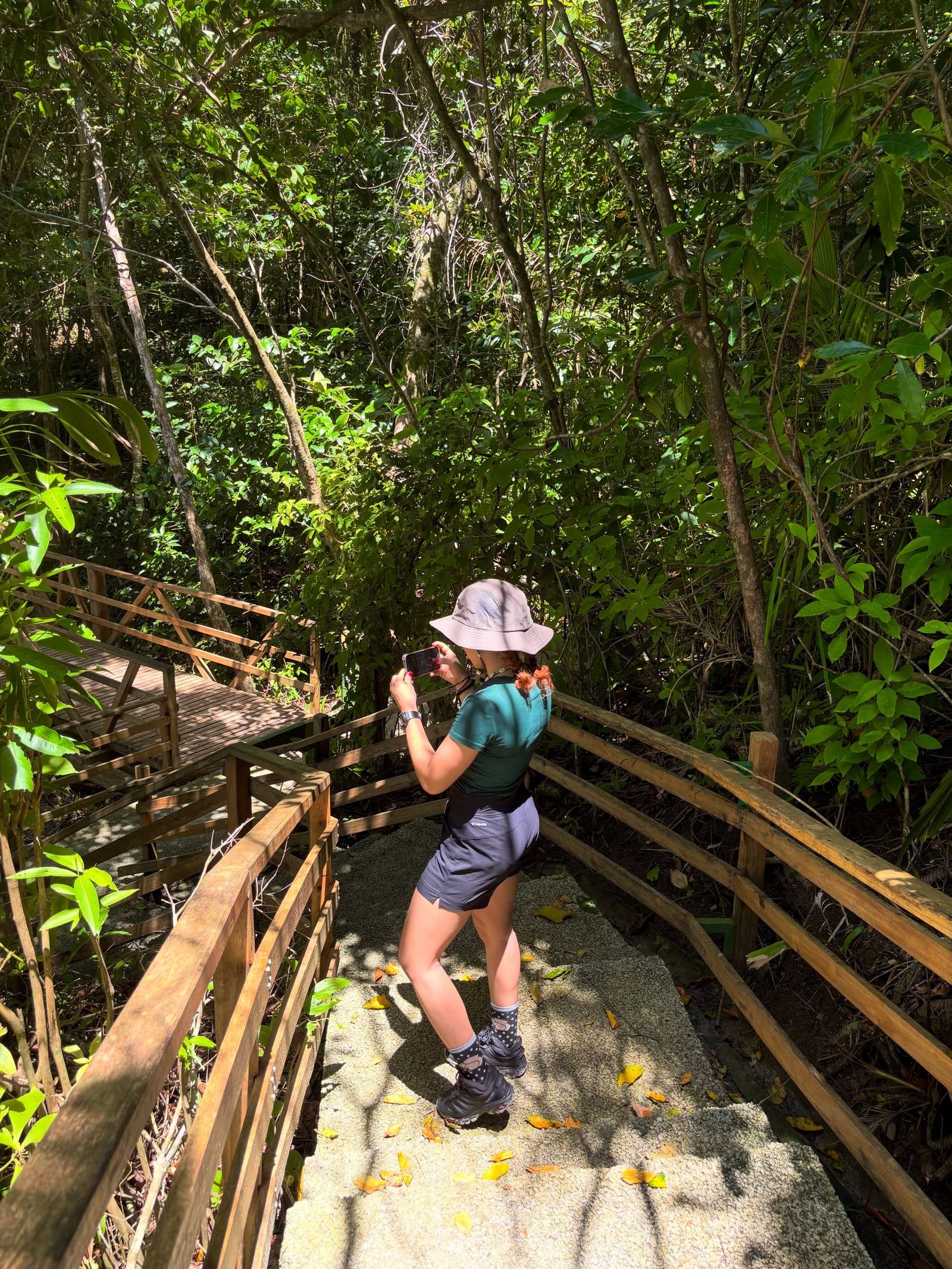
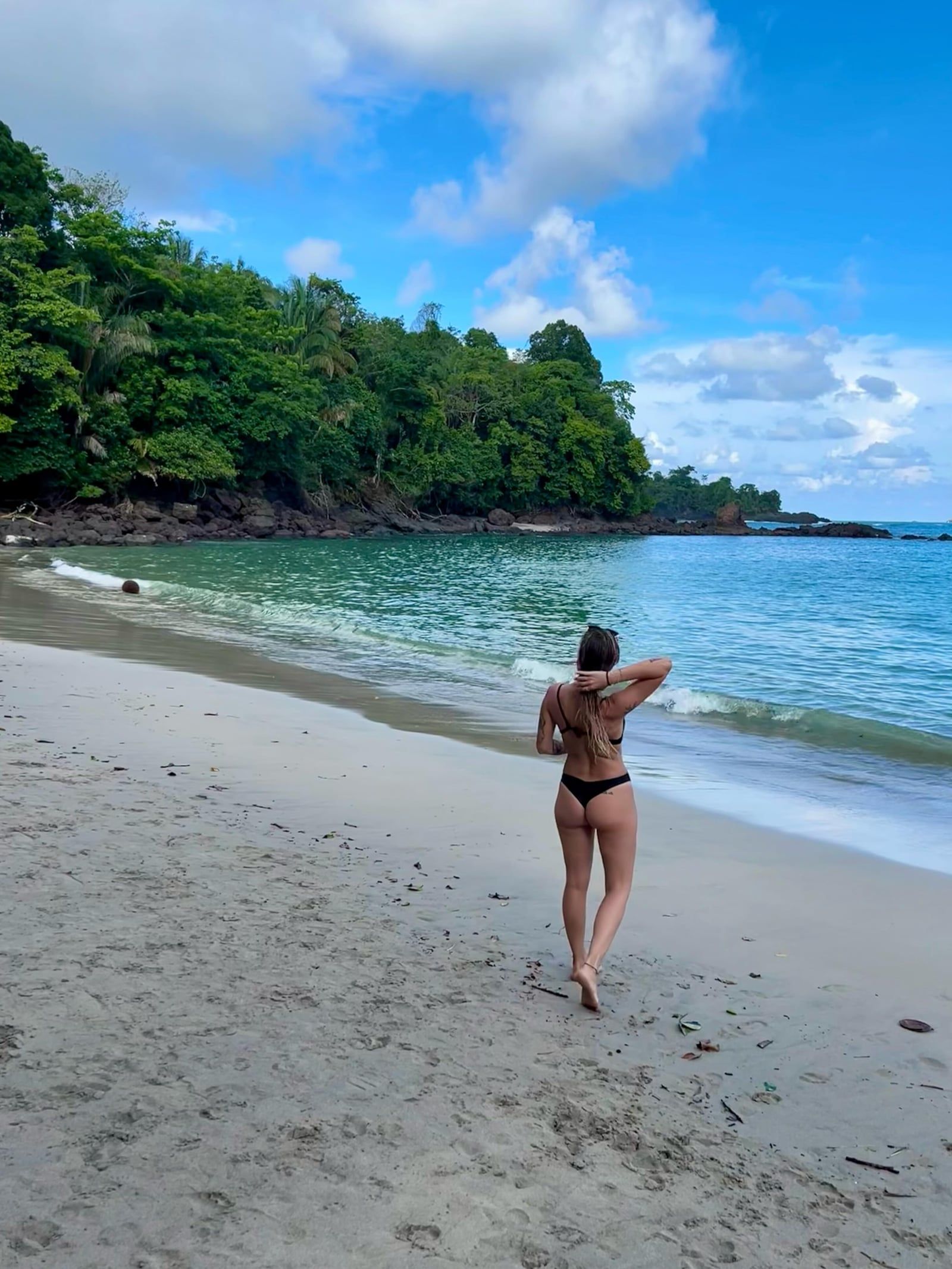
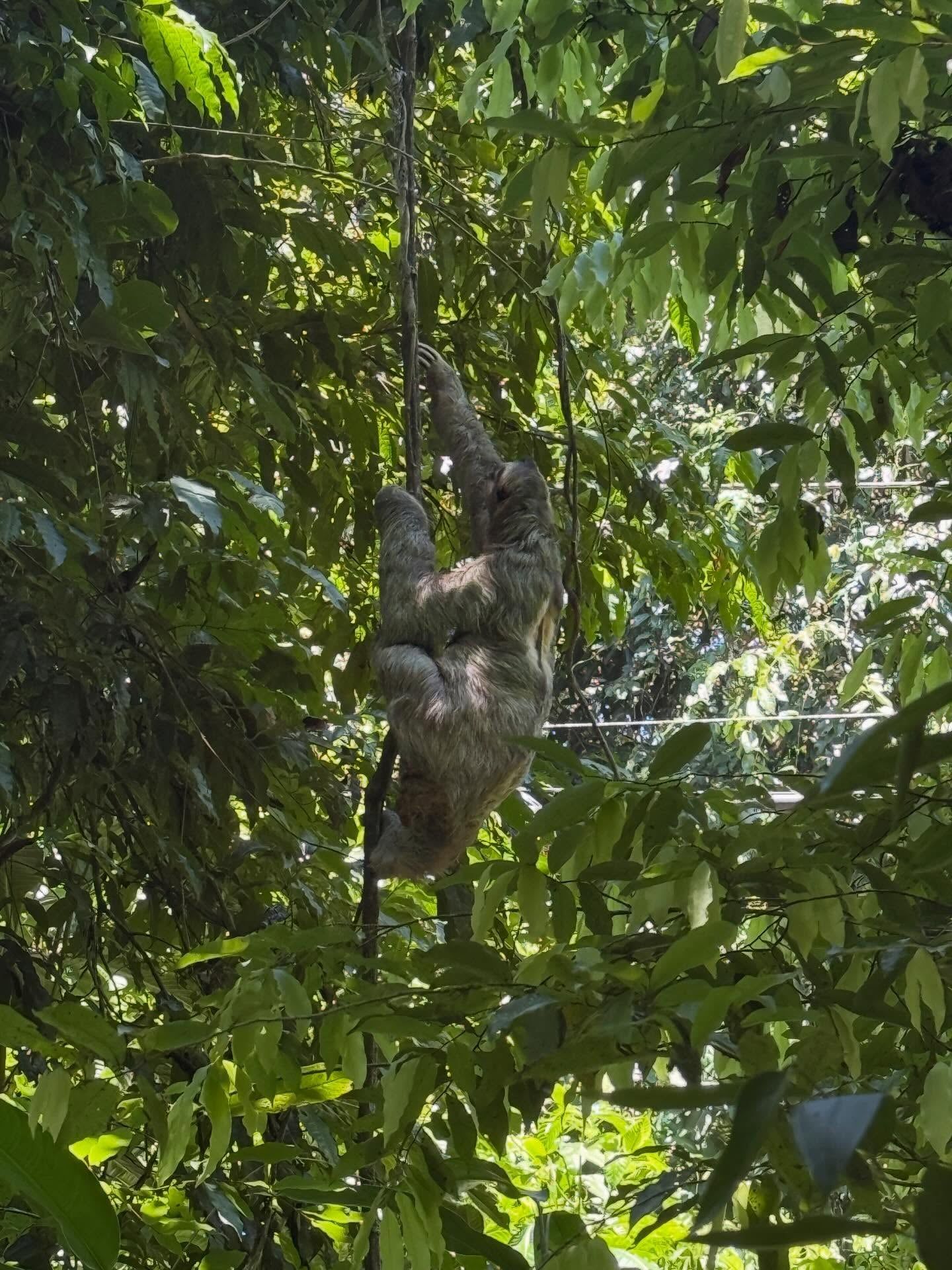
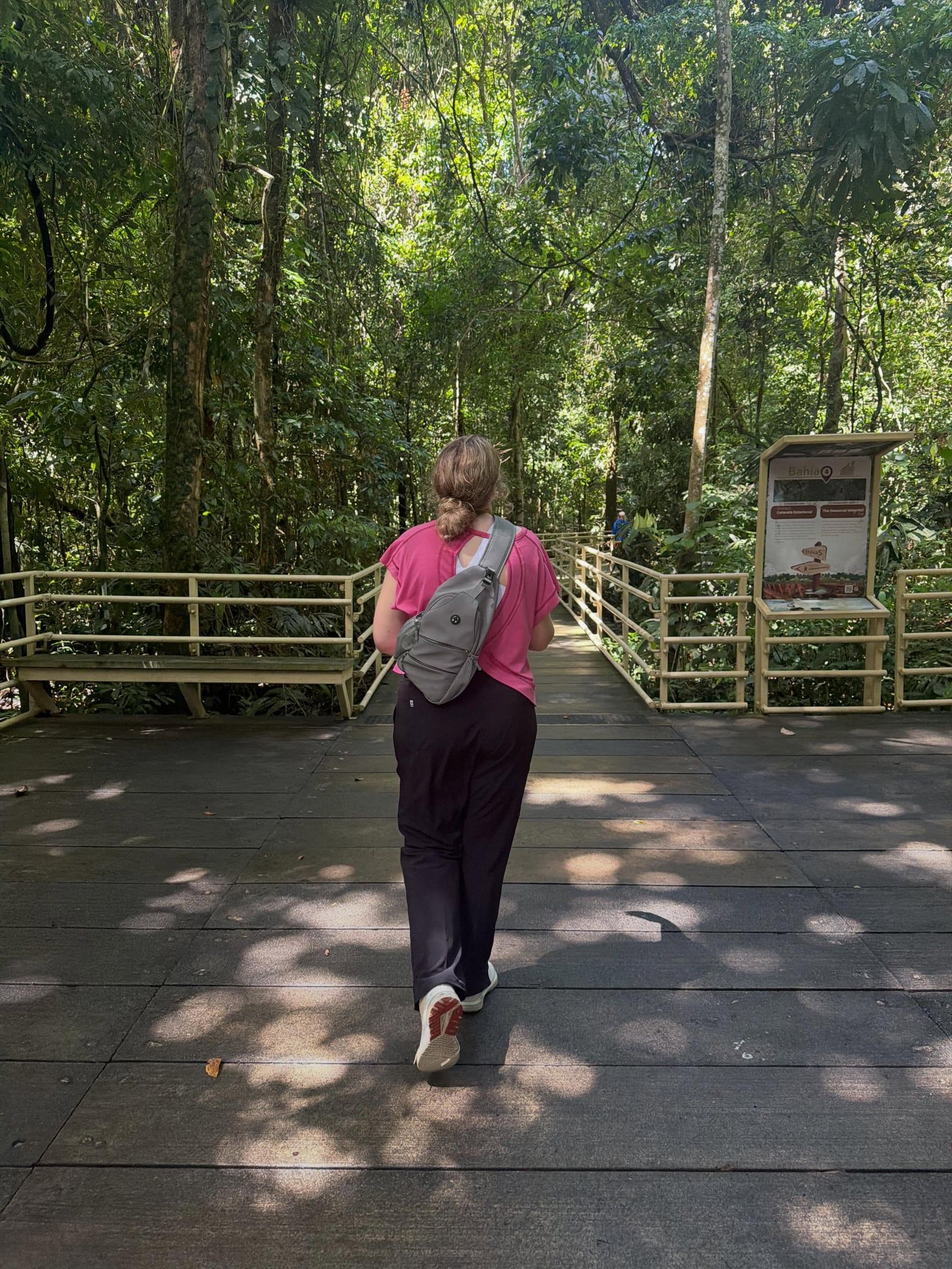
Planning advice, comparisons, and practical tips.
In most national parks, wildlife is a matter of luck. At Manuel Antonio, on Costa Rica's central Pacific coast, it's close to routine: three monkey…
Manuel Antonio National Park is one of the easiest places on Earth to see wild monkeys. The park is tiny — under 2,000 hectares of land wedged…
Manuel Antonio National Park squeezes rainforest, an 18-hectare mangrove and four white-sand beaches into 1,983 hectares on Costa Rica's central…
Manuel Antonio packs eight distinct beaches into a few kilometers of coastline, split between a ticketed national park and a free public strand that…
Foreign visitors aged 12 and up pay $18.08 USD, children 2–12 pay $5.65, and kids under 2 get in free — IVA tax included. Costa Rican residents pay ₡1,808 for adults and ₡565 for children 6–12, with resident kids under 6 and Ciudadano de Oro seniors free.
No — there's no ticket booth, and every ticket must be bought in advance on SINAC's official portal, serviciosenlinea.sinac.go.cr, using your passport details. People dressed as rangers sell fake tickets near the entrance, so buy only through sinac.go.cr and bring the physical passport matching your booking.
Book 1–2 weeks ahead during dry season (December–April), and months ahead for Christmas–New Year and Easter week, which sell out early. A court-ordered cap limits the park to 1,120 visitors per day with 15-minute arrival slots, and no extra capacity gets added. Six tickets maximum per transaction.
Every Tuesday, for trail maintenance — this is the single most common trip-planning mistake. The park runs Wednesday through Monday, 7:00 a.m. to 3:00 p.m., year-round including holidays.
It's 157 km (98 mi) from San José: the direct Tracopa bus from Plaza Víquez takes about 3.5 hours and costs around ₡4,500 ($9), a 20–25 minute Sansa flight to Quepos runs $75–100 one way, shared shuttles cost from $65 per person, and driving takes 3–4 hours. From Quepos, a local bus covers the last 7 km to the entrance every 15–30 minutes for ₡315.
No food or packaged snacks — bags are checked at the entrance and single-use plastic bottles get turned away too. Drinks in reusable bottles are allowed, with refill fountains on the Sloth Trail and near Playa Manuel Antonio. There's a concession cafeteria inside, open 7:30 a.m.–3:30 p.m.
Yes, in part. The flat, paved Sendero El Perezoso (about 1.1 km one way) plus the beach boardwalks work for wheelchairs and strollers, with rest areas and overlooks along the way. The sand and the 1.4 km Punta Catedral loop are not accessible.
Most visitors spend 3–5 hours on the main trails plus beach time, and a guided wildlife walk runs 2–3 hours. A full day is common — enter at 7:00 a.m. when wildlife is most active, hike Punta Catedral before the beach fills around 10 a.m., then swim at Playa Manuel Antonio.
Browse verified tours with free cancellation and instant confirmation.
Find Tours


