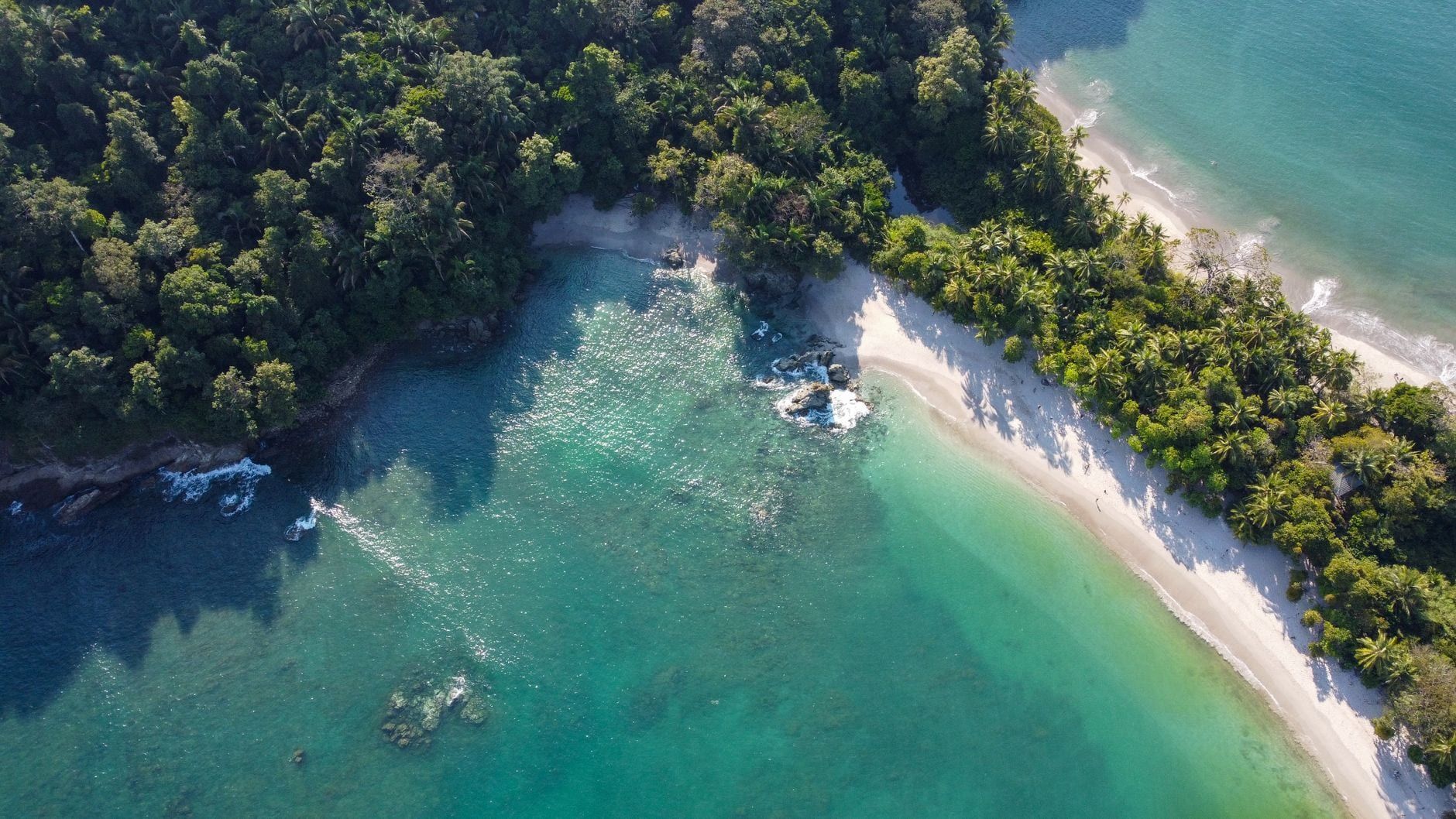
Yes, you can snorkel inside Manuel Antonio National Park. The calm cove at Playa Manuel Antonio, the twin rocky pocket of Playa Gemelas, and the sheltered water of Biesanz Bay — where nearly every tour boat anchors — all sit within a mile of each other. What you get is tropical fish over volcanic rock, not a coral garden, and that distinction shapes every recommendation in this guide.
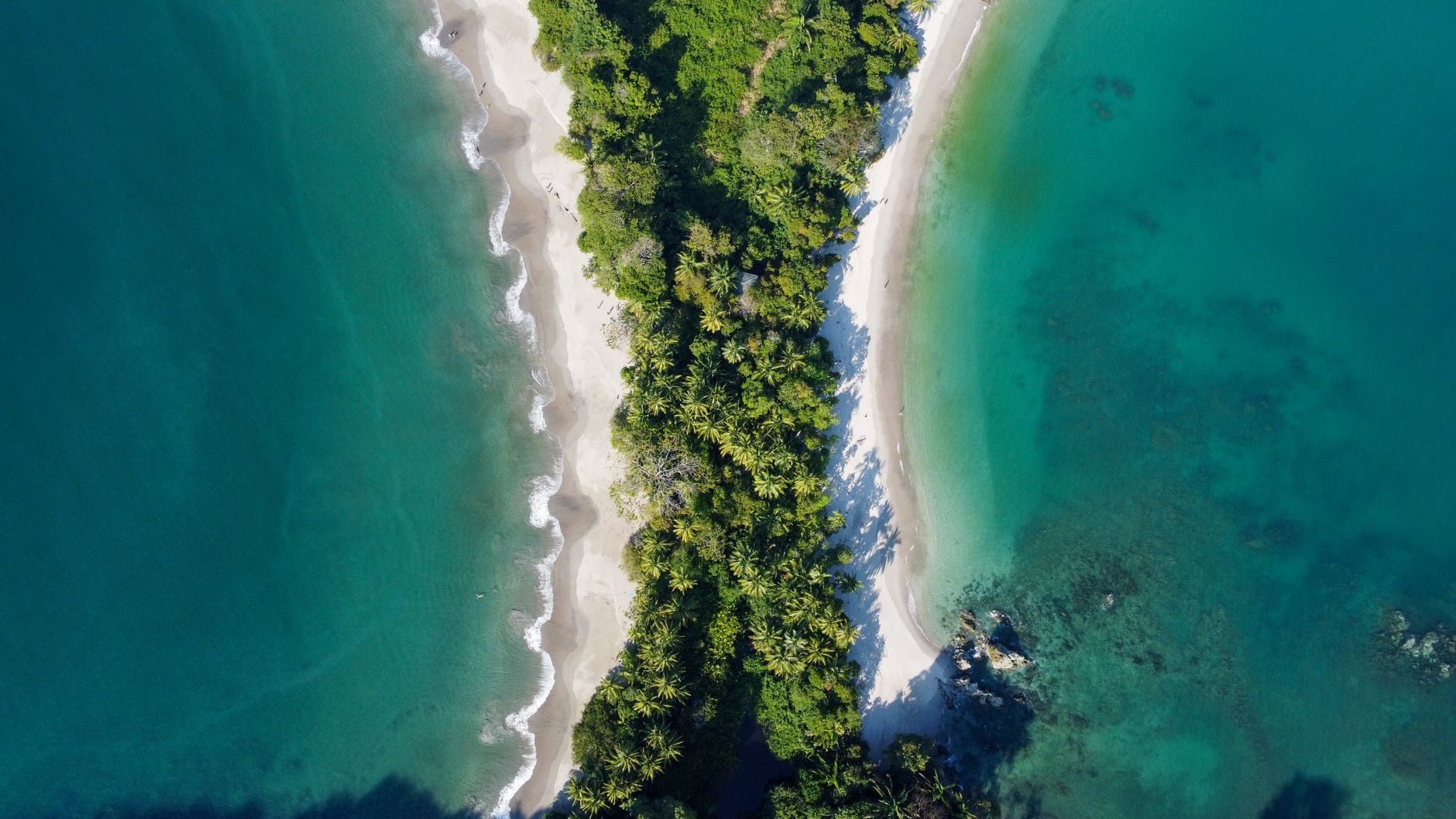
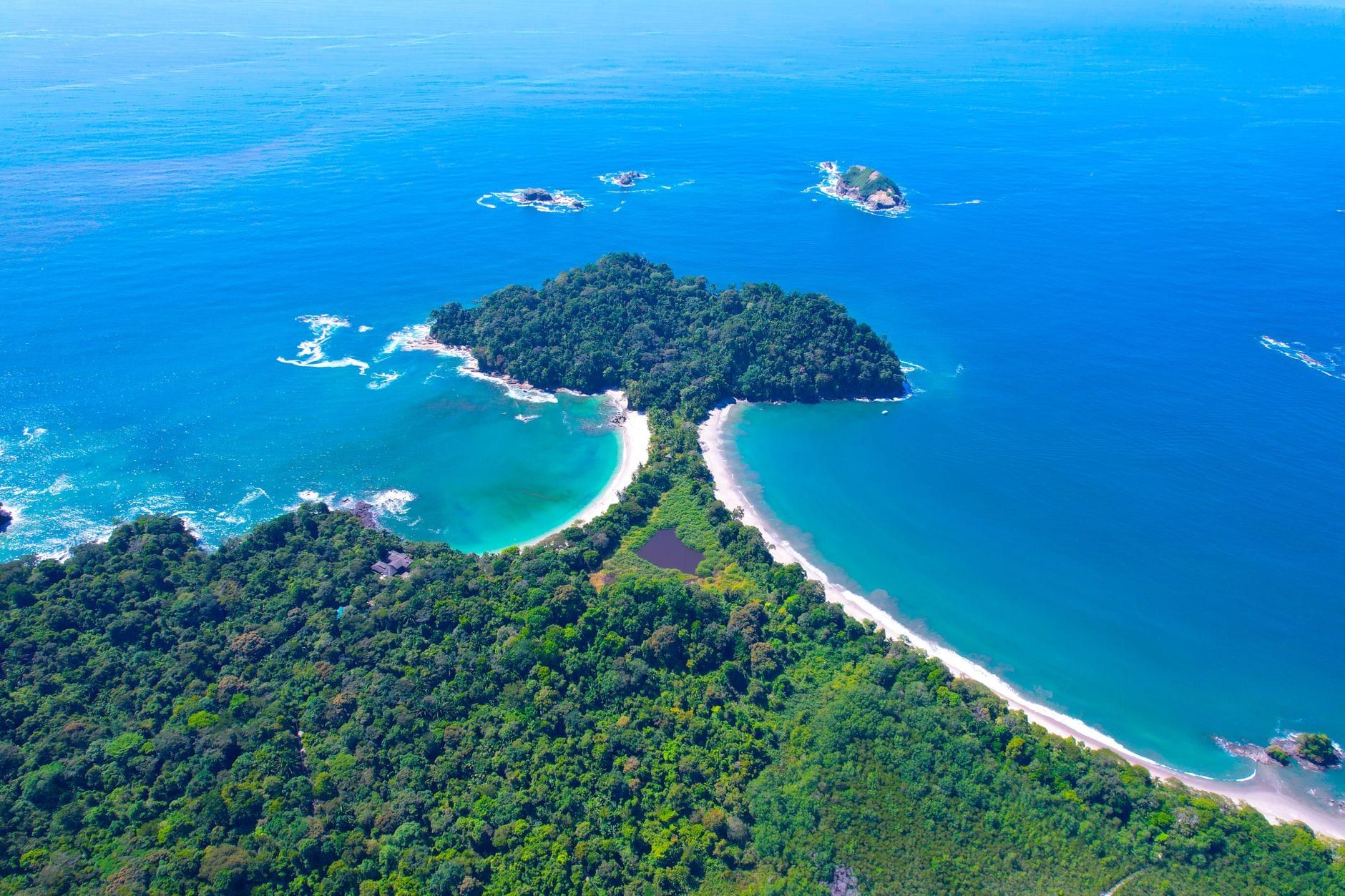
The park itself is small but the water it protects is not: 25,634 hectares of marine reserve wrap around four white-sand beaches and the forested headland of Punta Catedral. Most visitors come for the wildlife in Manuel Antonio — sloths, monkeys, toucans — and add the mask as a bonus. That's the right way to do it. Here's how, where, and whether it's worth booking a boat.
Is the Snorkeling Actually Good? (Honest Verdict)
Solid, not spectacular — that's the honest read. The seabed is volcanic: boulders, ledges, and sand channels with only small coral patches. Costa Rica's central Pacific is known for its marine life and underwater rock formations rather than reefs, and compared with Belize or the Caribbean coast, conditions run hit or miss. What Manuel Antonio does deliver is reliable fish in calm, warm, beginner-friendly water.
Visibility is the swing factor. In dry season, Biesanz Bay typically offers 10 to 20 feet of it; after heavy rain, rivers push runoff into the ocean and the water turns green-brown within a day. On a calm February morning the coves look postcard-clear. In late September, you might see your own fins and not much else.
So decide which traveler you are. If a mask is one ingredient of a beach-and-forest day, Manuel Antonio delivers plenty — angelfish, wrasse, surgeonfish, maybe a turtle, all a short swim from sand. If coral reefs are the reason you travel, skip the local tours entirely and head to Caño Island (covered below), which is a different league underwater.
Where to Snorkel: Every Spot Compared
Five spots do the real work around here — two inside the park, one just outside it, and two that boats reach. The table gives you the short version; the details follow. One warning first: several articles ranking "secret snorkeling spots" near Manuel Antonio list beaches that simply aren't in the area — Playa Cocles is on the Caribbean coast near Puerto Viejo, and Bahía Drake is on the Osa Peninsula, hours south. Every spot below is one you can actually reach from Manuel Antonio.
| Spot | Access | Depth | Level | Best for |
|---|---|---|---|---|
| Playa Manuel Antonio cove | Shore, inside the park | To 12 ft | Beginner | A park-day add-on |
| Playa Biesanz | Shore via steep path, or boat | 6–12 ft | Beginner | Calm water, families, tour stop |
| Playa Gemelas | Shore, inside the park | Shallow | Beginner | Quieter beach break |
| Rocas Gemelas | Boat or kayak only | Varies | Intermediate | Urchins, starfish, turtles |
| Playa Puerto Escondido | Shore at low tide, inside the park | Varies | Intermediate | Escaping the crowds |
Playa Manuel Antonio (the main cove)
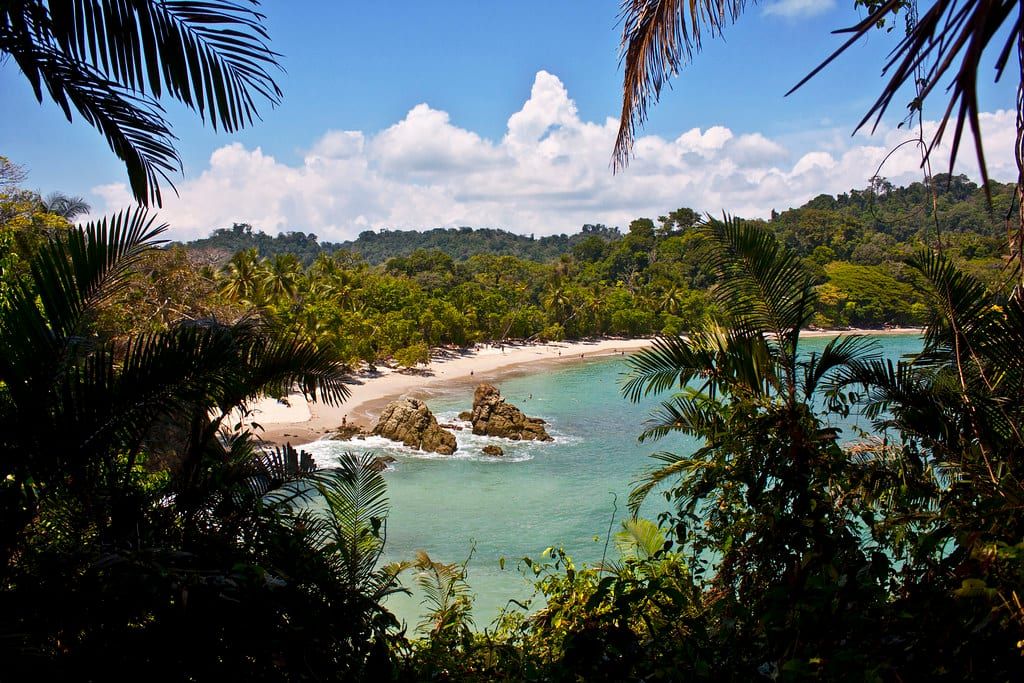
Enter at the cove closest to the changing rooms and showers. The best water is around the rocks on your left as you face the ocean — that's where the fish concentrate. Out in the cove sits an old stone fish trap, a circle of pre-Columbian Quepoa stonework once used to catch fish and turtles, which you can also see from the Punta Catedral loop at low tide. Depth tops out around 12 feet, the sandy entry is easy, and the bay is sheltered from currents. Waves are the main hazard, and the beach fills up by mid-morning, so swim the cove early.
Playa Biesanz
Biesanz is a palm-fringed cove on Quepos Point, just outside the park on the road past the Parador Resort. You reach it on foot down a short, steep forest path, and the reward is the calmest water in the area — sheltered even when the open ocean is choppy. At mid-to-low tide, work the rocks along the left (southern) edge, where parrotfish, angelfish, and moray eels hold in 6 to 12 feet of water. This is the same cove the catamarans anchor in, farther out. A gear vendor has rented masks here at times, but don't count on it.
Playa Gemelas and Rocas Gemelas
Playa Gemelas is a small, rocky twin beach at the base of Punta Catedral, reached on the park's hiking trails. It has no facilities at all — no lifeguard, no kiosk — so bring your own gear and water. The compensation is quiet: on days when the main beach has hundreds of towels, Gemelas often has a handful. Just offshore sit the Rocas Gemelas, rocks that boat and kayak tours snorkel for about 20 minutes at a stretch, turning up colorful fish, sea urchins, starfish, and the occasional turtle.
Punta Catedral headland and Playa Puerto Escondido
The rocks along the Punta Catedral headland hold fish whenever the sea is calm enough to approach them, and the small beach of Puerto Escondido beyond it becomes a viable shore option at low tide. Both are tide-and-swell dependent — check conditions in the morning, and treat them as bonus spots rather than the plan.
Marine Life: What You'll See Underwater
The cast is Eastern Pacific and consistent. Cortez rainbow wrasse are everywhere, flashing pink, yellow, and teal as they dart over the rocks. Around them you'll find king and Cortez angelfish, threebanded and blacknosed butterflyfish, yellowfin surgeonfish, giant damselfish defending their patches, Panamic sergeant majors schooling mid-water, and pufferfish tucked under ledges. Learn three species before you go and the snorkel doubles in interest.
Bigger sightings take luck. Moray eels and octopus hide in the rocks at Biesanz; stingrays rest on the sand. Sea turtles appear regularly but are never guaranteed. At the boat spots around Las Gemelas, tours also report white-tip reef sharks, spotted eagle rays, and seahorses — another argument for getting on the water rather than staying on the beach.
Above the surface, the coastal cruise past the park cliffs is where bottlenose dolphins usually show, year-round. Humpback whales pass offshore between August and November. The seabed itself, to set expectations one last time, is volcanic rock and sand channels with small coral patches — a fish habitat, not a coral garden.
When to Go for the Clearest Water
December through March (often into April) is the reliable window: dry air, calm seas, and that 10–20 feet of visibility at Biesanz. April and November are transitional — still good, less predictable. From May through November the green season settles in; tours run year-round, but river runoff after heavy rain clouds the water from the beach, and patience becomes part of the kit. Check the recent weather, not the calendar, before committing a morning.
Within any given day, go early. Mornings bring the calmest seas and the least surface glare, and you'll share the water with fewer people. Tide matters most at Biesanz: mid-to-low gives you the best access to the rocks along the southern edge. Water temperature holds near 82°F year-round, so no wetsuit is needed — a rash guard against the equatorial sun is the smarter layer.
Snorkeling Inside the Park: Access, Fees & Rules That Shape Your Snorkel Day
The park is closed every Tuesday, year-round including holidays, and open Wednesday through Monday from 7 a.m. to 3 p.m. That single fact derails more itineraries than any wave or rainstorm. Full details on hours and entry fees live in our park guide; the snorkel-relevant version is below.
Entry costs $18.08 for foreign adults (12+) and $5.65 for children 2–12, tax included. There is no ticket booth at the gate — tickets are sold online only through SINAC's portal (serviciosenlinea.sinac.go.cr), you'll need passport details to book, and a daily cap of 1,120 visitors means dry-season slots sell out one to two weeks ahead (months ahead at Christmas and Easter). Bring the physical passport that matches the booking; a phone photo doesn't work at the gate. Several older snorkeling articles still list a $16 fee and 5 a.m. hours — both are years out of date.
From the entrance, the paved Sloth Trail takes about 20 minutes to reach Playa Manuel Antonio, where you'll find toilets, showers, and changing rooms. Gemelas has nothing, so carry water (in a reusable bottle — single-use plastics and food are confiscated at bag check) and pack out everything you bring.
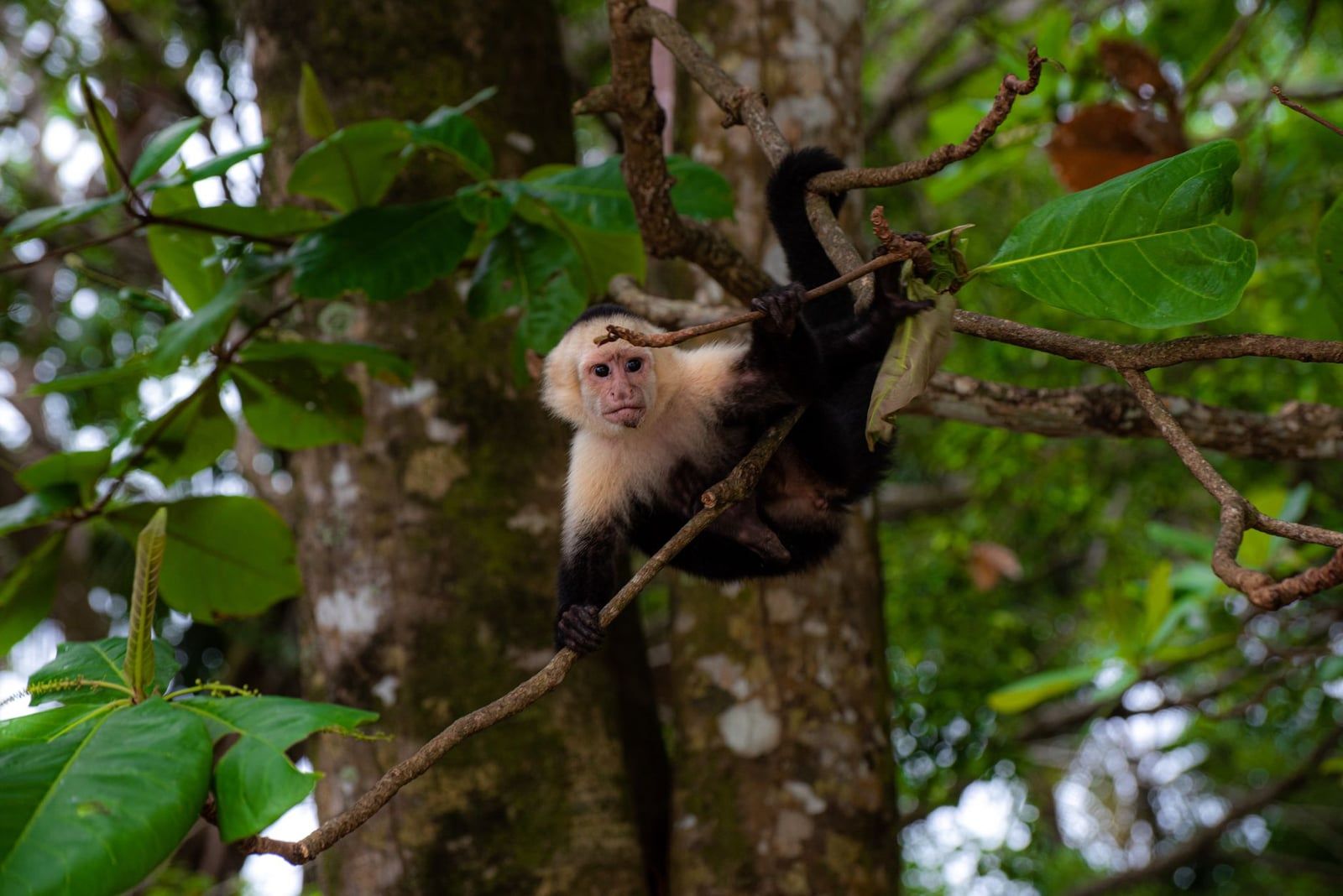
Two beach-specific warnings. First, white-faced capuchins and raccoons unzip unattended bags in seconds — keep your dry bag zipped and in sight, never on the towel. Second, learn the manzanillo trees lining the beaches: their sap and apple-like fruit are toxic, so don't sit in their shade. A lifeguard program operates on the main beaches, but rip currents still occur; swim the calm bay and keep children close.
DIY Snorkeling vs. Taking a Tour
Bring your own mask. Rental availability around Manuel Antonio is hit-or-miss — a vendor has set up at Biesanz at times, but no other beach offers it — and simple Intex mask-and-snorkel sets sell cheaply at Quepos grocery and variety stores. A packable mask weighs almost nothing in luggage and turns any calm morning into a snorkel.
DIY gets you the main cove, Gemelas, and the Biesanz shore for the cost of park entry ($18.08) plus your gear. Its limits are real: there's no dedicated shore reef, visibility depends on recent rain, and nobody is pointing out the eel under the ledge. A tour adds boat access to Biesanz's sheltered interior and Rocas Gemelas, included mask, fins, and flotation vest, a guide who knows where things live, a meal, and a dolphin cruise on the way — and at Biesanz's 6–12 foot depths, a vest makes the stop workable even for non-swimmers.
Who should pick what: families with small kids can stay DIY and use the shallow park cove. Non-swimmers and anyone short on time should book a boat. Travelers who want both the forest and the water in one day should read the sample plans two sections down.
Snorkel Tours Compared (and How to Choose)
The market is tidy: everything departs from Marina Pez Vela in Quepos, a 10–15 minute transfer from Manuel Antonio, and nearly every trip's snorkel stop is Biesanz Bay for 30–45 minutes in the water. The 20–30 minute coastal cruise past the park cliffs on the way out is where most dolphin sightings happen. What differs is the boat — and the boat shapes the day.
| Tour | Price | Group size | Includes |
|---|---|---|---|
| Kayak + snorkel (3 hrs, ages 4+) | $69 pp | Small group | Gear, guide |
| Whale & dolphin watching + snorkel | $76 pp | Max 12 | Gear, meal |
| Catamaran or trimaran | $86–99 pp | 36–75 guests | Meal, open bar, hotel pickup on most |
| Express small-boat snorkel | ~$60 pp | Small | Gear, access to tighter coves |
| Park walk + catamaran combo | $135 adult / $90 child (5–11) | Varies | Guided hike and snorkel stop |
| Private charter (3 hrs) | ~$500 per group (max 4) | Just you | Boat, gear, guide |
Group size matters more than price. On a 50–75 guest catamaran, the trip is a floating party: big deck, hot meal, open bar, and a wildlife-search window that can shrink to 10–25 minutes before the boat pivots to lunch and swimming. A max-12 small boat flexes around a dolphin pod for as long as you want. The kayak option is the most active and reaches water the others can't. Our full Manuel Antonio tours guide breaks down individual operators; private tours are worth comparing if you're four people, since the per-person math on a charter lands near $125.
Three booking gotchas verified by travelers. "Open bar" on sailing tours means rum cocktails, sodas, and fruit drinks — beer is usually extra, so buy it at the marina shop before boarding. Confirm the onboard photographer's prices before the boat docks, not after. And no operator guarantees conditions; if the swell is up, the stop may shorten or move.
Making a Day of It: Combining the Park with Snorkel Tours
The park is a morning activity and the boats sail in the afternoon — the two fit together naturally. Guided park walks typically finish by noon, and catamaran and trimaran departures cluster around 2 p.m. Slot the pieces like this:
Plan A — park first, sail after. Enter at 7 a.m., walk the Sloth Trail and Punta Catedral loop while the animals are active, swim and snorkel the main cove before the beach crowds arrive, and be back at the marina for a 2 p.m. catamaran. A guided walk-plus-catamaran combo books as a single ticket ($135 adult, $90 child 5–11).
Plan B — paddle first, park after. The morning kayak-and-snorkel tour finishes by noon, leaving time for lunch in Quepos and an afternoon park entry. Tight but doable — remember the park stops admitting at 3 p.m., so don't dawdle over lunch.
Plan C — pure park beach day. One entry, one towel. Swim and mask-break at Playa Manuel Antonio in the morning, walk out to Gemelas for a quieter rocky snorkel in the afternoon. For more ideas around both halves of the day, see our guide to things to do in Manuel Antonio National Park.
Whichever plan you pick, check the calendar against the Tuesday closure — it's the one day none of this works.
Day Trips & Upgrades for Serious Snorkelers
If underwater visibility is your priority, Caño Island is the answer. Drive about 1.5 hours south to Uvita, then boat out to the biological reserve, roughly 50 miles from Manuel Antonio. Because it sits far offshore, the water usually stays clear even when the coast doesn't, and the fish life is on another scale — enormous schools, turtles, white-tip reef sharks, with dolphins or whales on the crossing. Snorkelers who've done both describe Manuel Antonio's coves as the warm-up and Caño as the main event.
Closer to home, the full-day Tortuga Island tour from Manuel Antonio (around $162 adult) packages a boat ride, snorkeling around a rock outcropping, a white-sand beach stop, and lunch. And if you're staying north toward Jacó, the Playa Blanca/Herradura beaches get a mention in regional guides — worth a look if you're based there, not worth the drive from Manuel Antonio.
Practical Tips, Safety & Etiquette
The short list, learned the hard way by plenty of visitors before you:
- Wear the vest if you're not a confident swimmer; never snorkel alone.
- Use reef-safe sunscreen — it's the norm in Costa Rican waters.
- Don't touch, stand on, or chase anything; take nothing from the ocean.
- Keep your bag zipped and in sight; capuchins and raccoons are skilled thieves.
- No lifeguards guarantee calm — watch waves at the main beach cove.
- Pack: mask, dry bag, reusable water bottle, rash guard, waterproof camera.
FAQs: Snorkeling Manuel Antonio National Park
Is snorkeling good in Manuel Antonio National Park?
Solid rather than spectacular. Expect reliable tropical fish over a rocky volcanic seabed with little coral, and visibility of 10–20 feet in dry season. Turtles are possible but not guaranteed. It's a great part of a beach or sailing day, not a destination reef like Caño Island.
Can you snorkel from the beach inside Manuel Antonio National Park?
Yes. The calm cove at Playa Manuel Antonio, nearest the changing rooms, holds fish around the rocks on the left side, and Playa Gemelas offers a quieter rocky option off the Punta Catedral trail. Bring your own mask — there are no rentals inside the park.
Where do Manuel Antonio snorkeling tours go?
Almost all of them anchor in Biesanz Bay, a sheltered cove about a mile from the main park beach with 6–12 feet of depth, and some add a stop at Rocas Gemelas. All tours depart from Marina Pez Vela in Quepos, 10–15 minutes from Manuel Antonio.
What time of year has the clearest water?
December through March or April, the dry season, when seas are calmest and Biesanz visibility typically runs 10–20 feet. Tours run year-round, but river runoff after heavy rain in the May–November green season reduces clarity.
How much does snorkeling in Manuel Antonio cost?
DIY costs park entry ($18.08 adult, $5.65 child 2–12) plus your own mask. Tours run from about $60 for an express small-boat trip and $69 for kayak-and-snorkel to $86–99 for catamarans with meals; a private charter is around $500 for up to four people.
Can you snorkel in Manuel Antonio during the rainy season?
Yes, tours operate year-round and the water stays near 82°F. Expect reduced visibility after rain, and favor the small-boat or kayak morning departures, which can shift around the weather better than a big catamaran.
Do I need to bring my own snorkel gear?
For shore snorkeling, yes. Rentals are hit-or-miss (a vendor sometimes sets up at Biesanz, nowhere else), and basic Intex mask-and-snorkel sets sell at Quepos grocery stores. Every tour includes mask, fins, and vest.
Is Manuel Antonio National Park ever closed?
Yes — closed every Tuesday year-round, and open Wednesday–Monday 7 a.m. to 3 p.m. Tickets are online-only through SINAC with a passport, and a 1,120-visitor daily cap makes advance booking wise, especially in dry season.